




Building an in-home gym is one of the most convenient ways to stay consistent with your fitness routine without relying on a commercial gym schedule. Whether you have a full spare room, a garage corner, or a small area in your living room, the right in-home gym equipment can help you create a functional workout space for strength training, cardio, flexibility, balance, and recovery. The key is to choose versatile gear that supports a wide range of exercises without overcrowding your home.
A well-planned in-home gym does not need to be complicated. With a quality workout mat, resistance tools, balance equipment, cardio accessories, weights, and recovery products, you can build a space that supports full-body movement, low-impact exercise, muscle recovery, and everyday wellness.
Start With a Practical In-Home Gym Layout
Before choosing equipment, start by deciding where your in-home gym will go. A spare bedroom, basement, garage, office corner, or open living area can all work as long as you have enough room to move safely. Ideally, your workout space should allow you to stretch, lie down, perform standing exercises, and store equipment neatly.
When planning your layout, consider:
-
Available floor space
-
Ceiling height for standing movements
-
Flooring and joint support
-
Equipment storage
-
Ventilation and lighting
-
Noise level, especially for cardio or weight training
-
Your primary workout goals
If your goal is strength training, you may want more room for weights, bands, and stability exercises. If your focus is yoga, Pilates, mobility, or recovery, your space may revolve around a supportive mat, balance tools, and foam rollers.
Choose a Quality Exercise Mat as Your Foundation
A durable exercise mat is one of the most important pieces of in-home gym equipment because it creates a safer, more comfortable surface for floor-based exercises. Mats are useful for stretching, core work, Pilates, yoga, bodyweight movements, low-impact strength training, and recovery routines.
For a home gym, choose a mat that offers enough cushioning for your joints while still providing stability for movement. The EcoWise Workout / Fitness Mat is a strong option for floor exercises, stretching, core training, strength training, Pilates, and balancing movements. It is made with eco-friendly TPE foam and comes in different thickness options for added support.

You may want a workout mat if you plan to do:
-
Planks and core exercises
-
Push-ups and bodyweight strength training
-
Yoga and Pilates
-
Stretching and mobility work
-
Low-impact conditioning
-
Post-workout recovery movements
A quality mat helps define your workout zone and makes your in-home gym feel more intentional, even if you are working with a small space.
Add Resistance Bands for Strength and Flexibility
Resistance bands are compact, affordable, and highly versatile, making them essential for almost any in-home gym. They can be used for upper-body, lower-body, core, mobility, and rehabilitation-style exercises. Unlike bulky machines, resistance bands are easy to store and can be used by beginners, active adults, and experienced athletes.
The EcoWise Resistance Stretch Band is a useful choice for short and controlled resistance movements, yoga, and Pilates training. It is lightweight, made with eco-friendly TPR material, and available in multiple resistance levels so users can progress over time.

Resistance bands can be used for exercises such as:
-
Banded squats
-
Glute bridges
-
Seated rows
-
Shoulder mobility exercises
-
Chest presses
-
Lateral walks
-
Assisted stretching
-
Pilates-based resistance movements
For a beginner-friendly in-home gym, start with light or medium resistance. As your strength improves, you can add heavier resistance levels for more challenging workouts.
Include Weights for Strength Training
Weights are another essential part of an effective in-home gym setup. Depending on your goals and available space, you may choose dumbbells, kettlebells, medicine balls, weighted bars, or other compact strength tools. Strength training supports muscle tone, bone health, balance, posture, and overall functional fitness.
You do not need a large weight rack to get started. A few carefully chosen resistance tools can support exercises such as squats, lunges, presses, rows, deadlifts, curls, and carries. For smaller spaces, choose equipment that can be used for multiple movements instead of single-purpose machines.

Useful strength training equipment may include:
-
Light, medium, and heavy dumbbells
-
Medicine balls or weighted fitness balls
-
Resistance bands
-
An exercise mat for bodyweight movements
-
Storage racks to keep equipment organized
The goal is to create a setup that allows you to train safely and consistently without cluttering your home.
Use Fitness Balls for Core Strength and Stability
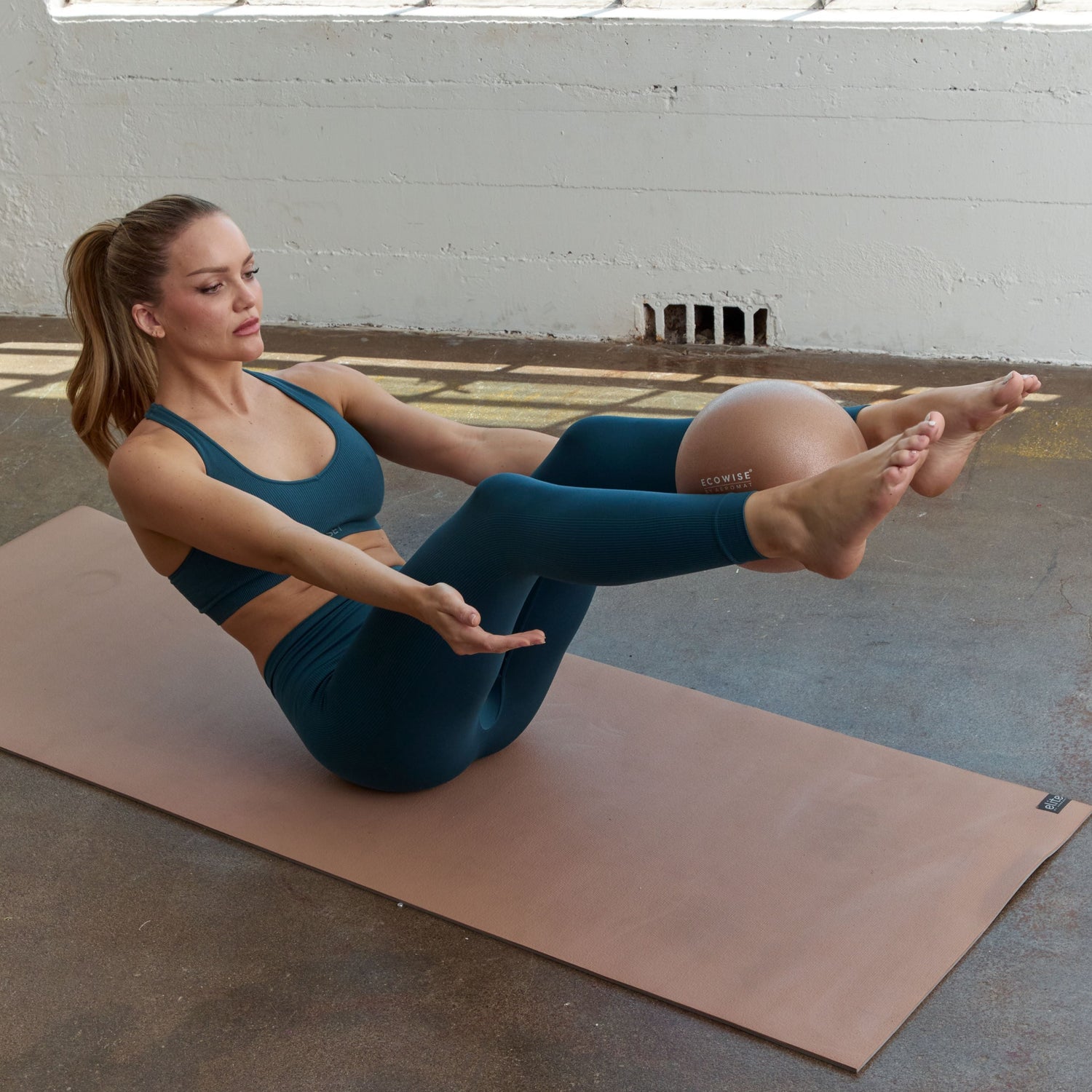
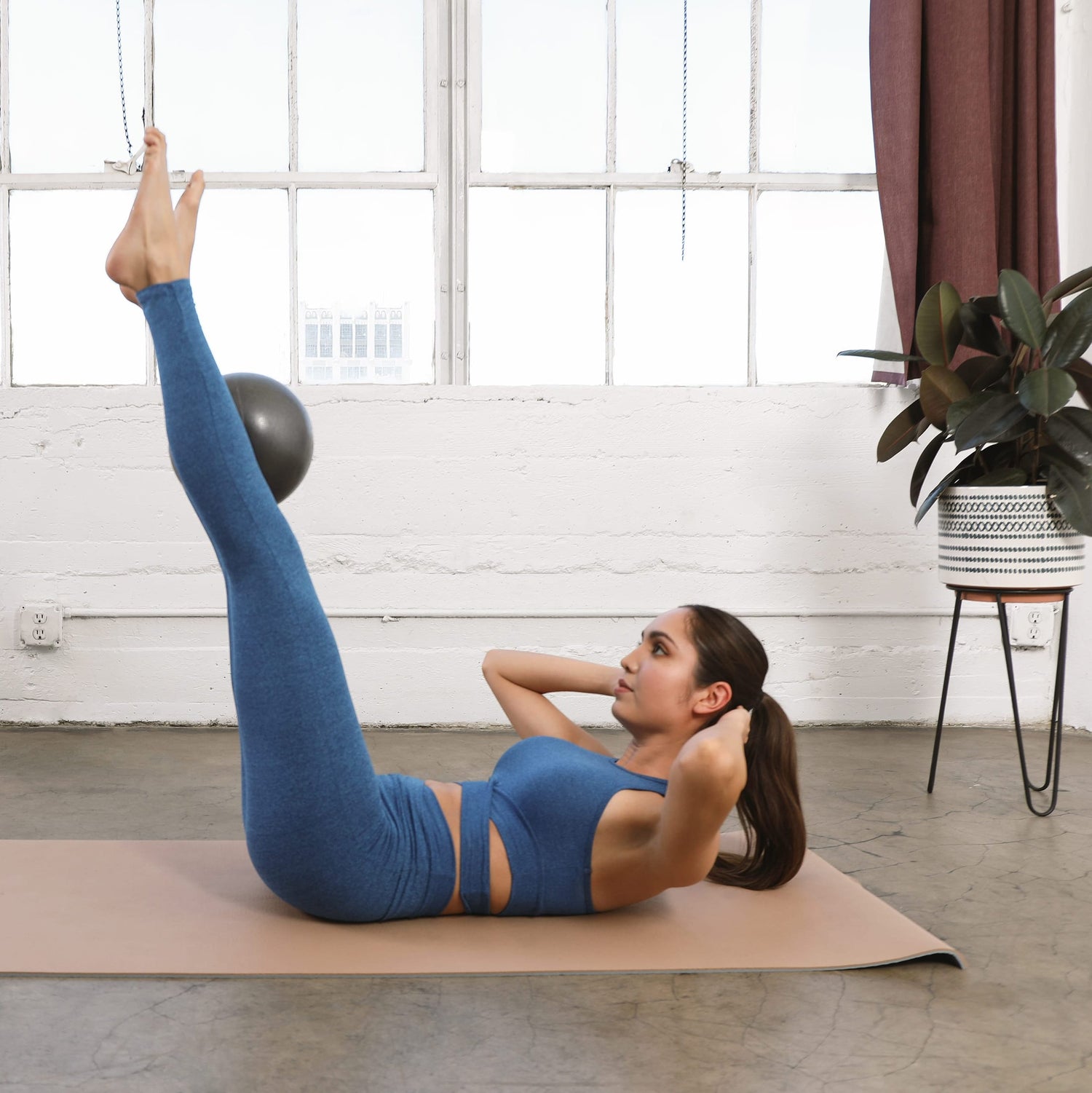
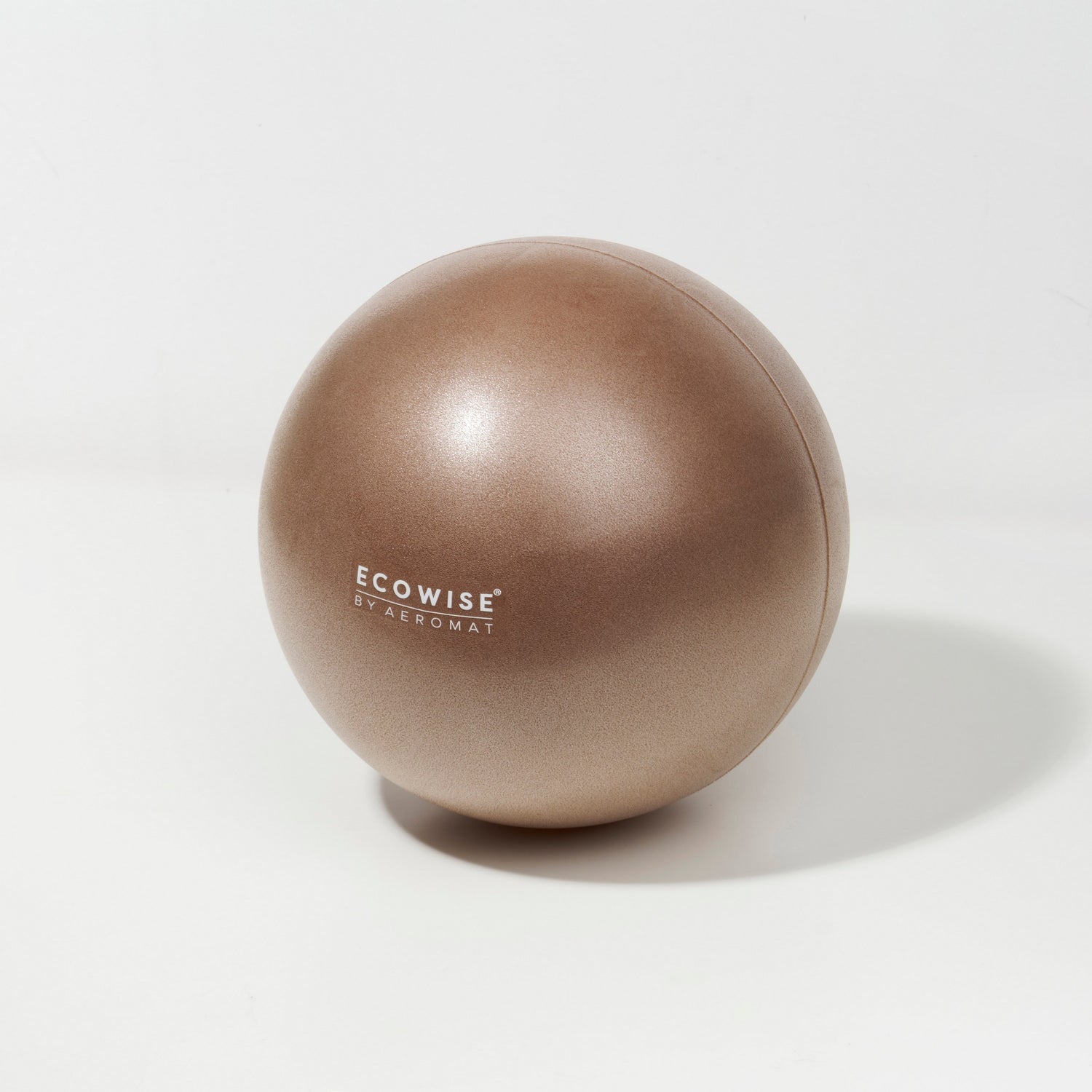
Fitness balls are excellent for improving balance, core strength, posture, coordination, and mobility. They can be used for beginner-friendly movements as well as more advanced stability exercises. In an in-home gym, a fitness ball can support strength training, stretching, Pilates, rehabilitation-style exercises, and active sitting.
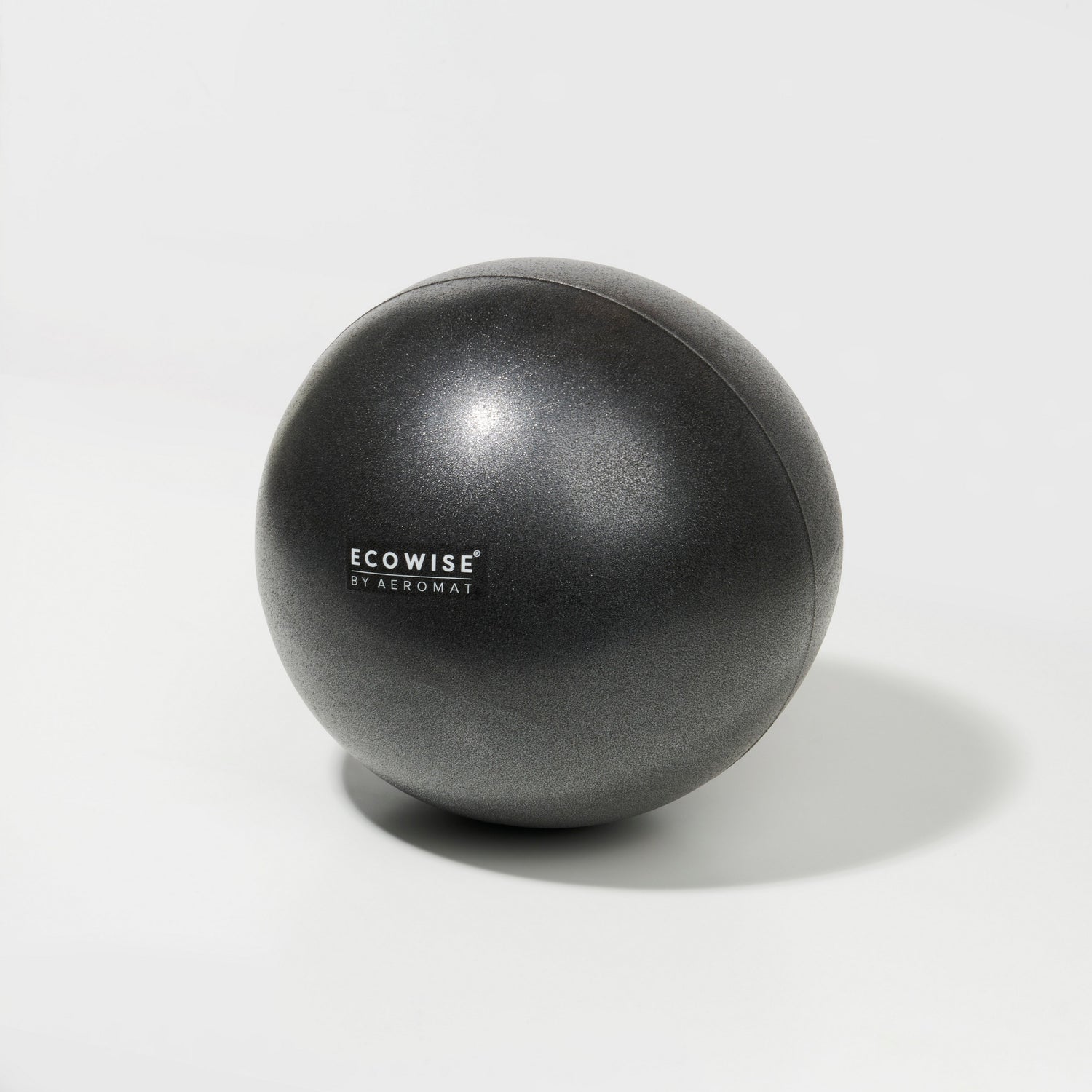
Aeromat and EcoWise offer fitness and Pilates workout balls designed for balance, mobility, rehabilitation, and strength training. Their ball collection includes different sizes, textures, and eco-friendly material options to support a variety of workouts and user needs.

Fitness balls can be used for:
-
Stability ball crunches
-
Wall squats
-
Hamstring curls
-
Back extensions
-
Balance training
-
Stretching the chest, hips, and spine
-
Low-impact core exercises
Because a fitness ball challenges stability, it can help make simple exercises more engaging while supporting better body awareness.
Add Balance Training Equipment for Coordination and Control
Balance training equipment is a valuable addition to an in-home gym because it helps improve stability, coordination, posture, and core control. Balance tools can be especially helpful for active aging, rehabilitation, sports training, and low-impact functional movement.
A balance pad offers a soft but stable surface that is suitable for beginners, while wobble boards and balance discs create more instability for users who want a greater challenge. Aeromat’s balance training equipment is designed to support core strength, stability, coordination, and confidence during movement.
One useful option is the EcoWise Elite Balance Block, which is a high-density foam pad with a dual-textured surface. It is designed for rehabilitation, coordination exercises, balance training, and meditation.

Balance equipment can support exercises such as:
-
Single-leg stands
-
Balance squats
-
Standing core work
-
Ankle stability exercises
-
Rehabilitation movements
-
Meditation or seated posture practice
-
Coordination drills
For a well-rounded in-home gym, balance tools are a smart way to train control, not just strength.
Include Cardio Equipment for Heart Health and Endurance
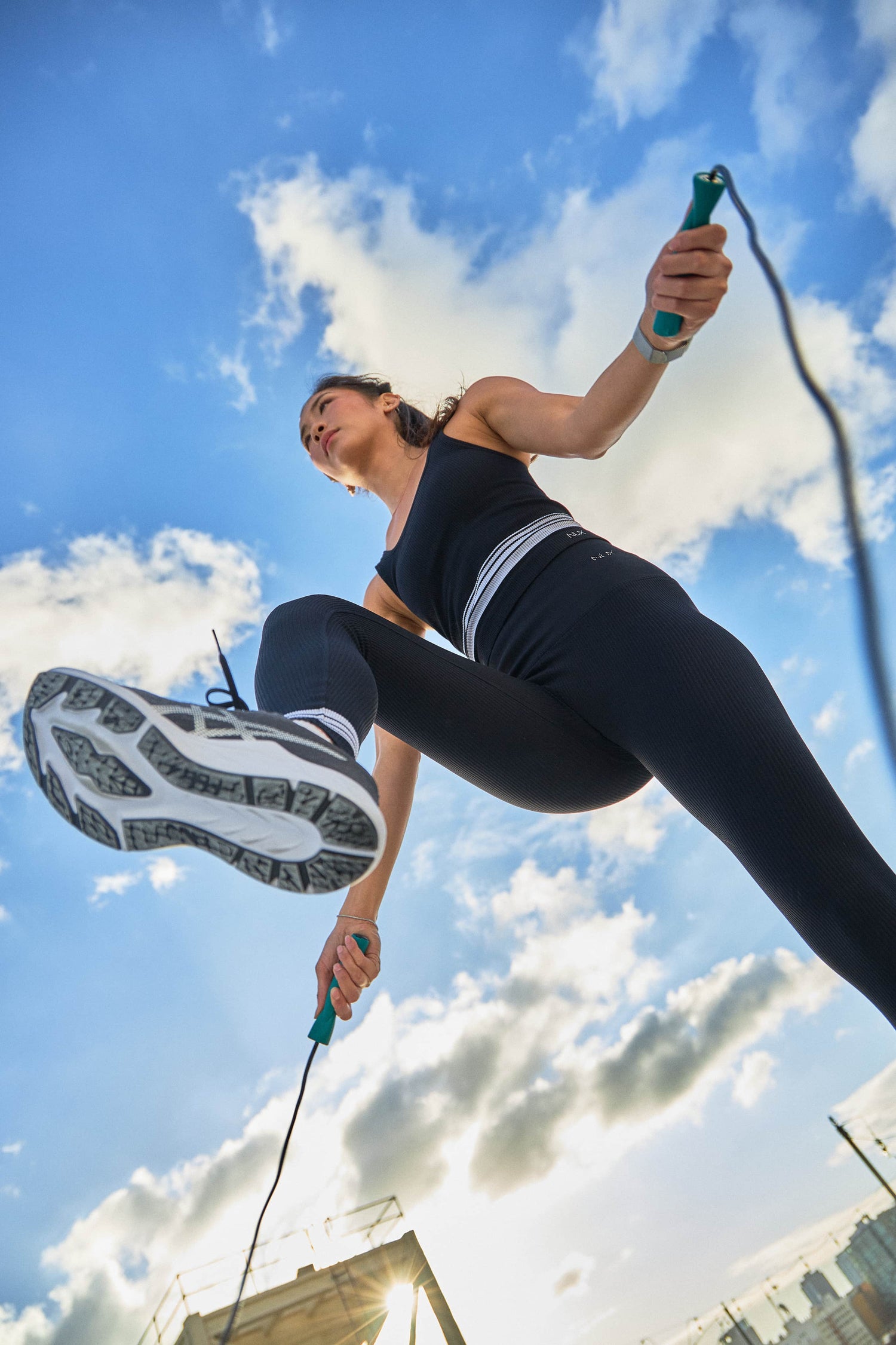
Cardio equipment does not have to mean a large treadmill or stationary bike. While those can be helpful if you have the space and budget, many in-home gyms can include smaller cardio tools that support endurance, agility, and calorie-burning workouts.

Depending on your space, you may consider:
-
Jump ropes
-
Step platforms
-
Mini cardio tools
-
Agility equipment
-
Exercise balls for dynamic movement
-
Bodyweight cardio routines
-
Light weights for circuit training
Cardio training can be simple and effective with movements like step-ups, marching intervals, jumping jacks, mountain climbers, low-impact skaters, or banded circuits. The best cardio setup is one you will use consistently.
If you live in an apartment or shared space, choose low-impact cardio options that limit noise and reduce stress on your joints. A cushioned mat can help make cardio circuits more comfortable and controlled.
Make Recovery Tools Part of Your In-Home Gym Setup
Recovery is often overlooked, but it is an essential part of a complete in-home gym. Foam rollers, massage tools, balance cushions, and stretching accessories can help support muscle relief, flexibility, mobility, and post-workout care.
The Aeromat Foam Roller is designed for post-workout stretching and muscle relief. It is made with durable EVA foam, has a textured surface, and comes in multiple sizes for different recovery needs.

Foam rollers can be used for:
-
Calves
-
Hamstrings
-
Quads
-
Glutes
-
Upper back
-
IT band area
-
Hip mobility
-
Post-workout stretching
Aeromat also offers a broader foam roller collection designed to relieve tension and support everyday movement and recovery.
Adding recovery tools to your in-home gym helps encourage better consistency because your space supports both exercise and rest.
Consider Active Seating for Wellness Beyond Workouts
An in-home gym does not only have to support dedicated workout sessions. It can also support everyday movement throughout your day. Active seating tools, such as ball chairs, balance cushions, and posture-support accessories, can help you stay more engaged while sitting at a desk, reading, working, or doing light mobility exercises.
The Aeromat Deluxe Balance Disc Cushion is an inflated cushion that adds instability and stimulation. It can be used under the hands, feet, or lower back for balance, coordination, and recovery exercises, and the inflation level can be adjusted for more or less challenge.

Active seating and balance cushions may be useful for:
-
Desk work
-
Posture awareness
-
Core engagement
-
Gentle balance training
-
Foot and ankle mobility
-
Recovery movements
-
Low-impact activity breaks
For people who work from home, active seating can help connect the in-home gym concept with daily wellness habits.
Keep Your In-Home Gym Organized With Storage Accessories
Organization is an important part of building a home workout space that you will actually use. If equipment is scattered around the room, workouts can feel inconvenient. Storage racks, bins, hooks, and compact organization tools can help keep your in-home gym clean, safe, and easy to access.

Helpful storage ideas include:
-
A rack for mats and foam rollers
-
Small bins for resistance bands
-
Wall hooks for jump ropes or straps
-
Shelving for recovery tools
-
A corner station for balls and balance equipment
-
A compact weight rack
Aeromat/EcoWise carries equipment storage options as part of its accessories collection, making it easier to organize mats, fitness equipment, Pilates accessories, yoga accessories, and other workout tools. Their home gym accessories collection includes items such as resistance bands, exercise mats, balance balls, and foam rollers to help support strength, flexibility, and recovery routines.
Essential In-Home Gym Equipment Checklist
If you are building your first in-home gym, start with the basics and add more equipment as your routine grows. A simple setup can be surprisingly effective when each item serves multiple purposes.
Essential in-home gym equipment may include:
-
A supportive workout, yoga, Pilates, or therapy mat
-
Resistance bands in multiple levels
-
Dumbbells, medicine balls, or compact strength tools
-
A fitness or Pilates ball
-
Balance training equipment
-
Cardio accessories
-
Foam rollers or massage tools
-
Active seating or balance cushions
-
Yoga and Pilates accessories
-
Storage racks or organization tools
The best in-home gym equipment is equipment that fits your space, supports your goals, and encourages you to move regularly.
How to Choose the Right Equipment for Your Fitness Goals
Your in-home gym should reflect the way you actually want to train. Someone focused on strength may need weights, resistance bands, and a durable mat. Someone focused on flexibility may need yoga accessories, Pilates tools, and recovery equipment. Someone recovering from injury or building stability may benefit from balance pads, foam rollers, and active seating tools.
Use these simple guidelines:
-
For strength: choose weights, resistance bands, and a durable mat.
-
For cardio: choose low-impact cardio accessories and open floor space.
-
For flexibility: choose yoga mats, Pilates accessories, and stretching tools.
-
For recovery: choose foam rollers, massage tools, and balance cushions.
-
For posture and daily movement: choose active seating and back support tools.
-
For small spaces: choose compact, multi-use equipment.
A successful in-home gym is not about having the most equipment. It is about choosing the right mix of tools to support safe, consistent, and enjoyable movement.
Aeromat/EcoWise: Everyday Wellness for Real-Life Environments
At Aeromat/EcoWise, our products are designed to support everyday wellness in real-life environments: in classrooms, at work, in rehab clinics, fitness studios, and at home. We have seen how simple tools—a quality mat, a resistance band, a balance cushion—can help people reduce stress, stay active, regain strength, and move with more confidence.
We carry a wide range of mats, including yoga, Pilates, workout, and therapy mats, along with fitness equipment for weights, resistance training, balls, cardio, balance training, core function, rack systems and storage. Our product categories also include active seating, ball chairs, seat cushions and back support, recovery tools, foam rollers, massage products, shoulder and back support, legs and feet tools, hands and arms tools, yoga accessories, Pilates accessories, equipment storage, and pool accessories.

Build a Better In-Home Gym Setup With Aeromat/EcoWise
Creating an in-home gym is an investment in your health, comfort, and daily routine. With the right combination of mats, strength tools, resistance equipment, cardio accessories, balance products, active seating, and recovery tools, you can build a workout space that supports your goals without leaving home.
Explore Aeromat/EcoWise to find mats, fitness equipment, active seating, recovery tools, and accessories designed for real-life movement and everyday wellness. Whether you are starting small or upgrading your full in-home gym setup, our collection can help you create a functional, comfortable, and confidence-building space for strength, cardio, flexibility, recovery, and long-term wellness.
FAQs
How do I start building an in-home gym?
Start by choosing a space in your home and identifying the types of workouts you want to do most often. Then add simple, multi-use equipment that fits your space, budget, and fitness level.
What equipment do I need for an in-home gym?
The essential equipment for an in-home gym typically includes a workout mat, resistance bands, dumbbells or weights, a fitness ball, cardio accessories, balance tools, and recovery equipment like foam rollers. These items can support strength training, flexibility, cardio, balance, and post-workout recovery without requiring a large amount of space.
How much equipment do I need for an in-home gym?
You do not need a lot of equipment to get started. A few essential pieces of in-home gym equipment can provide plenty of variety, especially if you choose tools that can be used for multiple types of exercises.
Can I build an in-home gym without large machines?
Yes, you can build a complete in-home gym without large machines by using mats, resistance bands, dumbbells, fitness balls, balance tools, and foam rollers. These compact items can support strength, cardio, flexibility, balance, and recovery in a smaller workout space.