


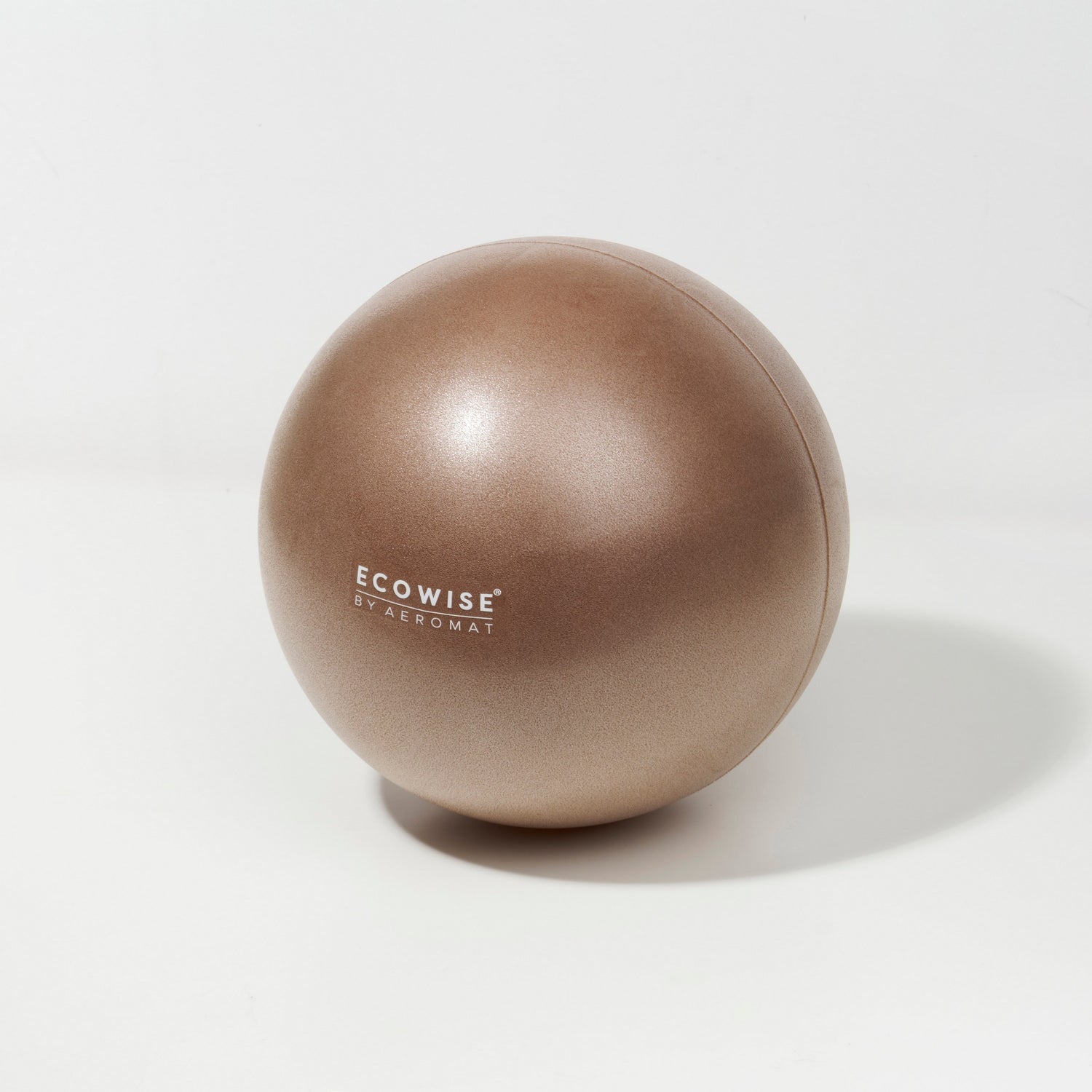


Muscle cramps can happen at the worst times, whether you are exercising, recovering after a workout, sitting for long periods, or waking up with sudden tightness in your legs or thighs. If you are searching for how to stop muscle cramps, one simple recovery tool that may help is an air roller or foam roller. These rollers can support muscle relaxation, improve circulation, reduce tightness, and help your body recover more comfortably.
Learning how to stop muscle cramps in legs and how to stop muscle cramps in thighs often starts with understanding why cramps happen and how gentle pressure, stretching, hydration, and recovery habits can work together. While severe or recurring cramps should always be discussed with a healthcare professional, many everyday muscle cramps may improve with simple self-care techniques, including using an adjustable air roller or traditional foam roller.
What Causes Muscle Cramps?
Muscle cramps are sudden, involuntary contractions that can cause sharp pain, tightness, or stiffness. They often happen in the calves, hamstrings, quadriceps, feet, or thighs. Cramps may last a few seconds or several minutes, and the affected muscle may feel sore afterward.
Common causes of muscle cramps include:
-
Muscle fatigue after exercise or physical activity
-
Dehydration or low electrolyte levels
-
Poor circulation or long periods of sitting
-
Tight muscles from lack of stretching
-
Overuse during sports, fitness training, or work
-
Inadequate warmups or cooldowns
-
Holding one position for too long
For many people, cramps are a sign that the muscles need better mobility, hydration, and recovery support. This is where an air roller or foam roller can become a helpful part of your routine.
Can an Air or Foam Roller Help Stop Muscle Cramps?
An air roller or foam roller may help relieve muscle cramps by applying controlled pressure to tight or overworked muscles. This pressure can help loosen muscle tissue, improve blood flow, and reduce tension in areas that commonly cramp, such as the calves, thighs, hamstrings, and quads.
Foam rolling does not instantly “cure” every cramp, but it can be useful before and after physical activity as part of a larger recovery routine. When used gently and consistently, rolling can help improve flexibility, support muscle recovery, and reduce the tightness that may contribute to cramps.
How to Stop Muscle Cramps Safely Before Using a Roller
Before reaching for an air or foam roller, it is important to respond to the cramp carefully. If a muscle is actively cramping, applying too much pressure too quickly can make the discomfort worse. Start with gentle steps that help the muscle relax.
Here are simple tips for how to stop muscle cramps safely:
-
Stop the activity that triggered the cramp.
-
Gently stretch the affected muscle.
-
Massage the area lightly with your hands.
-
Drink water, especially if you have been sweating.
-
Apply warmth if the muscle feels tight or stiff.
-
Use light rolling once the sharp cramping sensation starts to ease.
The key is to avoid aggressive rolling during intense pain. Instead, let the muscle calm down first, then use the roller to reduce lingering tightness and support recovery.
How to Stop Muscle Cramps in Legs With a Roller
If you want to know how to stop muscle cramps in legs, focus on the major muscle groups that commonly tighten: calves, hamstrings, quads, and outer thighs. Leg cramps often happen after workouts, running, walking, standing for long periods, or sleeping in a position that shortens the muscles.
To use a roller for leg cramps:
-
Sit or lie in a comfortable position.
-
Place the roller under the tight muscle.
-
Use your body weight to apply gentle pressure.
-
Roll slowly over the muscle for 20 to 30 seconds.
-
Pause on tight spots, but avoid sharp pain.
-
Breathe deeply and relax the muscle as you roll.
-
Follow with a light stretch.
Start with light pressure, especially if you are new to rolling. An adjustable rubber air roller can be especially useful because it allows you to customize the firmness and pressure level based on your comfort and recovery needs.
Calf Rolling for Lower Leg Cramps
Calf cramps are among the most common types of muscle cramps, especially for runners, walkers, athletes, and people who stand for long periods. Tight calves can also affect ankle mobility and overall leg comfort.
To roll your calves:
-
Sit on the floor with your legs extended.
-
Place the roller under one calf.
-
Keep your hands behind you for support.
-
Slowly roll from the ankle area toward the back of the knee.
-
Rotate your leg slightly to target the inner and outer calf.
-
Spend 30 to 60 seconds on each side.

Avoid rolling directly behind the knee. Keep the movement slow and controlled so the muscle has time to relax.
Hamstring Rolling for Back-of-Thigh Tightness
The hamstrings run along the back of the thighs and can become tight from sitting, running, cycling, lifting, or limited flexibility. Hamstring tightness may contribute to leg discomfort and cramping, especially after exercise.
To roll your hamstrings:
-
Sit on the floor with the roller under the back of one thigh.
-
Place your hands behind you for balance.
-
Slowly roll from just above the knee toward the lower glutes.
-
Pause briefly on tight areas.
-
Keep your movements smooth and gentle.
-
Repeat on the other side.

If the pressure feels too intense, keep one foot on the floor to reduce your body weight on the roller.
How to Stop Muscle Cramps in Thighs With a Roller
If you are wondering how to stop muscle cramps in thighs, it is important to target both the front and back of the thigh. Thigh cramps may occur in the quadriceps, hamstrings, inner thighs, or outer thighs, depending on the activity and the source of tightness.
Thigh muscles are larger than calf muscles, so they may need slower, more gradual rolling. Instead of rushing through the movement, spend time finding tight spots and applying steady, comfortable pressure.
Quad Rolling for Front Thigh Cramps
The quadriceps are located at the front of the thighs and are heavily used during walking, running, squatting, climbing stairs, cycling, and jumping. Tight quads can create stiffness and may contribute to thigh cramps.
To roll your quads:
-
Lie face down with the roller under the front of one thigh.
-
Support your upper body with your forearms.
-
Roll slowly from above the knee toward the hip.
-
Keep your core engaged to control pressure.
-
Pause briefly on tight areas without forcing discomfort.
-
Switch sides and repeat.

For beginners, a softer foam roller or adjustable air roller can make quad rolling more comfortable.
Outer Thigh and Hip Rolling for Leg Tension
Tightness along the outer thigh and hip can make the entire leg feel stiff. While the iliotibial band itself should be treated carefully, gently rolling the surrounding muscles near the outer thigh, hip, and glutes may help reduce tension.
To roll the outer thigh area:
-
Lie on your side with the roller under the outer thigh.
-
Use your arms and opposite leg for support.
-
Roll slowly from the upper outer thigh toward the area above the knee.
-
Avoid putting direct pressure on the knee joint.
-
Keep the pressure light to moderate.

If this area feels very sensitive, spend more time rolling the glutes and hips rather than forcing pressure along the outer thigh.
Simple Foam Rolling Tips for Muscle Cramp Relief
Using a roller properly can make a major difference in comfort and effectiveness. The goal is not to press as hard as possible, but to help the muscle relax.
Keep these tips in mind:
-
Roll slowly instead of quickly.
-
Use gentle to moderate pressure.
-
Avoid rolling directly on joints or bones.
-
Do not roll over sharp pain.
-
Breathe deeply while rolling.
-
Hydrate before and after recovery work.
-
Combine rolling with light stretching.
-
Use the roller consistently, not only when cramps happen.
A few minutes of rolling before or after activity may help prepare your muscles, reduce tightness, and support better recovery over time.
Air Roller vs. Foam Roller: Which Is Better for Muscle Cramps?
Both air rollers and foam rollers can be helpful for relieving tight muscles and supporting recovery. The best option depends on your comfort level, experience, and the type of pressure you prefer.
A traditional foam roller is a reliable choice for general recovery, stretching, and muscle tension relief. It provides steady pressure and is easy to use for the calves, thighs, hamstrings, back, and other muscle groups.
An adjustable rubber air roller offers a more customizable experience. Because the firmness can be adjusted, users can increase or decrease pressure based on their needs. This can be especially helpful for beginners, sensitive muscles, or anyone who wants a roller that can adapt to different recovery routines.
When to Use a Roller for Best Results
For muscle cramp prevention and recovery, consistency matters. You do not need to roll for long periods to benefit from it. Short, focused sessions can be enough to help loosen tight muscles and support mobility.
Consider using an air or foam roller:
-
Before workouts to help warm up tight areas
-
After workouts to support recovery
-
After long periods of sitting
-
After standing or walking for extended periods
-
Before bed if your legs often feel tight at night
-
During a stretching routine
If you experience frequent, severe, or unexplained cramps, speak with a healthcare professional to rule out underlying causes.
Additional Ways to Help Prevent Muscle Cramps
Rolling can be helpful, but it works best as part of a complete recovery routine. To reduce the likelihood of recurring cramps, focus on daily habits that support healthy muscles.
Helpful cramp-prevention habits include:
-
Drinking enough water throughout the day
-
Replacing electrolytes after heavy sweating
-
Stretching regularly
-
Warming up before exercise
-
Cooling down after workouts
-
Improving flexibility and mobility
-
Avoiding sudden increases in exercise intensity
-
Giving muscles enough rest between workouts
When paired with an air roller or foam roller, these habits can help keep muscles more flexible, comfortable, and ready for movement.
Explore Air and Foam Rollers From Aeromat/EcoWise
At Aeromat/EcoWise, we offer high-quality fitness and recovery products designed to support movement, flexibility, and everyday performance. Our collection of rollers includes options for beginners, athletes, fitness professionals, and anyone looking for a simple way to relieve tight muscles and improve recovery.
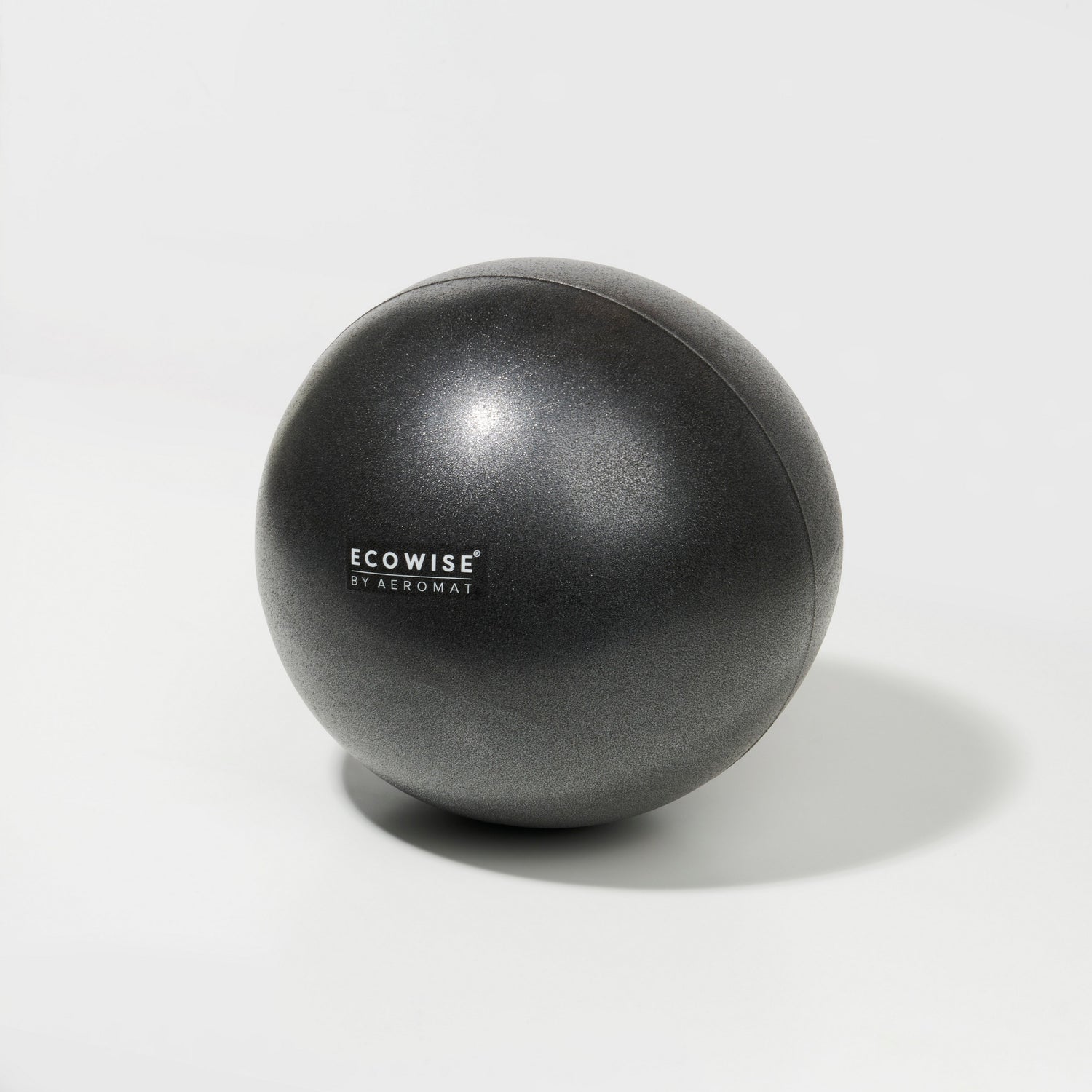
Our adjustable rubber air roller is a versatile recovery tool that allows users to customize firmness and pressure, making it a great choice for targeted muscle relief. We also offer traditional foam rollers, including the Aeromat Elite Foam Roller, which is ideal for stretching, self-massage, warmups, cooldowns, and post-workout recovery. Whether you are learning how to stop muscle cramps in legs, trying to relieve thigh tightness, or building a better recovery routine, Aeromat/EcoWise rollers can help support your goals.

Buy an Adjustable Rubber Air Roller or Foam Roller Today
Learning how to stop muscle cramps starts with giving your muscles the care, mobility, and recovery support they need. Air rollers and foam rollers are simple, effective tools that can help relieve tightness in the legs and thighs, improve flexibility, and support a more comfortable recovery routine.
Explore the Aeromat/EcoWise collection of rollers today to find the right option for your needs. Shop our adjustable rubber air roller or traditional foam rollers now and take the next step toward easier muscle recovery, better movement, and everyday relief from tight, cramping muscles.
FAQs
How can I stop muscle cramps with a foam roller?
A foam roller can help relieve muscle cramps by gently loosening tight muscles, improving circulation, and supporting muscle recovery. For best results, wait until the sharp cramp begins to ease, then roll slowly over the affected muscle using light to moderate pressure.
How can I stop muscle cramps in legs?
To help stop muscle cramps in legs, gently stretch the affected muscle, hydrate, and massage the area before using a roller. Once the muscle relaxes, an air or foam roller can help reduce lingering tightness in the calves, hamstrings, quads, and outer thighs.
How can I stop muscle cramps in thighs?
To help stop muscle cramps in thighs, start by gently stretching the front or back of the thigh depending on where the cramp occurs. After the cramp eases, use a foam roller or adjustable air roller to slowly roll the quads, hamstrings, or outer thigh muscles to help reduce tightness.
Is an air roller better than a foam roller for muscle cramps?
An air roller can be a great option because it allows you to adjust the firmness and pressure level. A traditional foam roller is also effective for general muscle recovery, so the best choice depends on your comfort level, sensitivity, and recovery needs.