




Muscle tension in the back and legs can develop after workouts, long periods of sitting, repetitive movement, or simply spending too much time in one position. Tight muscles can make everyday movement feel less comfortable and may limit flexibility or mobility if they are not addressed.
One simple way to support recovery is to use a foam roller or air roller as part of a regular mobility routine. Learning how to relieve muscle tension with a roller can help you target tight areas, apply controlled pressure, and encourage more comfortable movement before or after physical activity.
Why Do Muscles Become Tight and Tense?
Muscle tension can develop for many reasons. Exercise places stress on muscle tissue, while prolonged sitting or standing may cause certain muscle groups to remain shortened or underused for extended periods.
Common factors that may contribute to muscle tightness include:
-
Strength training or high-intensity exercise
-
Running, cycling, or other repetitive activities
-
Sitting at a desk for extended periods
-
Poor movement habits or posture
-
Limited flexibility or mobility
-
Physical fatigue
-
Inadequate warm-ups or recovery routines
The back, glutes, hamstrings, quadriceps, and calves are particularly common areas for tightness because they are involved in so many everyday movements.
A roller provides a convenient way to apply gradual pressure to these areas while moving through a controlled range of motion.
How Does a Roller Help Relieve Muscle Tension?
Foam rolling is commonly used as a form of self-myofascial release. Rather than simply stretching a muscle, rolling allows you to apply pressure while slowly moving across the tissue.
This can make a roller a helpful addition to a warm-up, cooldown, mobility session, or general recovery routine.
Using a roller may help:
-
Loosen areas that feel stiff or tight
-
Support short-term flexibility and range of motion
-
Prepare muscles for exercise
-
Promote more comfortable movement after activity
-
Complement stretching and mobility exercises
-
Help you become more aware of particularly tense areas
The key is to use slow, controlled movements rather than aggressively rolling back and forth.
How to Relieve Muscle Tension In Back Muscles With a Roller
If you are researching how to relieve muscle tension in back muscles, it is important to distinguish between rolling the muscular areas surrounding the spine and placing pressure directly on the spine itself.
For most people, the upper and mid-back are more appropriate areas for foam rolling than the lower back.

Upper Back Rolling Technique
To target the upper back:
-
Sit on the floor with the roller positioned behind you.
-
Lean back so the roller sits beneath your upper back, around the shoulder-blade area.
-
Bend your knees and keep your feet planted on the floor.
-
Cross your arms over your chest or gently support your head.
-
Lift your hips slightly and slowly roll from the upper back toward the middle of the back.
-
Pause briefly over tight areas before continuing.
Keep the motion controlled and avoid rolling directly over your neck or lower spine.
Targeting the Muscles Around the Shoulder Blades
Tightness can also develop around the upper back and shoulder blades, particularly after working at a computer or performing upper-body exercises.
Positioning the roller slightly to one side may help you reach the muscular areas surrounding the shoulder blades. Move gradually and avoid forcing your body into uncomfortable positions.
Should You Foam Roll Your Lower Back?
Directly rolling the lumbar spine is generally not recommended because there is less muscular and skeletal protection in this region compared with the upper back.
Instead of rolling directly across the lower spine, focus on nearby muscle groups that can contribute to feelings of tightness, including:
-
Glutes
-
Hip muscles
-
Hamstrings
-
Upper back
-
Quadriceps
Improving mobility in surrounding areas may help support more comfortable movement without placing excessive pressure directly on the lower back.
If you have persistent back pain, an injury, numbness, tingling, or symptoms that worsen during rolling, stop and consult an appropriate healthcare professional.
How to Relieve Tension In Muscles Throughout the Legs
Learning how to relieve tension in muscles throughout the legs involves targeting several major muscle groups rather than focusing on one area alone.
The quadriceps, hamstrings, calves, and glutes all work together when you walk, run, squat, climb stairs, or participate in sports. Tightness in one area can often affect how comfortable nearby movements feel.

How to Roll Your Quadriceps
The quadriceps run along the front of your thighs and may feel particularly tight after running, cycling, squatting, or lunging.
To roll your quadriceps:
-
Lie face down with the roller underneath your thighs.
-
Support your upper body with your forearms.
-
Keep your core engaged.
-
Slowly roll from just above the knees toward the hips.
-
Pause briefly when you find a tight area.
-
Continue using slow, controlled passes.
You can slightly rotate your body to reach the inner or outer portions of the quadriceps.
How to Roll Your Hamstrings
The hamstrings run along the back of the thighs and may become tight after exercise or prolonged sitting.
To roll your hamstrings:
-
Sit on the floor with the roller beneath the back of your thighs.
-
Place your hands behind you for support.
-
Lift your hips slightly.
-
Slowly roll from above the knees toward the glutes.
-
Pause over areas that feel especially tense.
For more focused pressure, you can cross one leg over the other and work one hamstring at a time.
How to Roll Your Calves
Calf tightness is common among runners, walkers, athletes, and people who spend long periods standing.
To roll your calves:
-
Sit with your legs extended in front of you.
-
Place the roller underneath one or both calves.
-
Support your body with your hands behind you.
-
Slowly move the roller from above the ankle toward the knee.
-
Rotate the leg slightly inward and outward to reach different areas.
Avoid rolling directly over the knee joint or Achilles tendon.
How to Roll Your Glutes
The glutes play an important role in hip movement and lower-body stability. Rolling this area may be especially helpful after workouts involving squats, lunges, running, or extended periods of sitting.
Sit directly on the roller, then shift your weight slightly toward one side. You can cross the ankle of the targeted side over your opposite knee to expose more of the glute area.
Move slowly and focus on the muscular tissue rather than pressing into the hip joint.
How Long Should You Use a Roller on Tight Muscles?
Long rolling sessions are not necessarily better. In many cases, spending approximately 30 to 60 seconds on a muscle group may be enough before moving on.
If you find a particularly tight area, pause and apply gentle pressure for several seconds rather than rapidly rolling back and forth.
A typical rolling routine may include:
-
30–60 seconds per muscle group
-
One or two slow passes through each region
-
Short pauses over tense areas
-
Controlled breathing throughout the session
Your goal should be to create manageable pressure, not significant pain.
How Much Pressure Should You Apply?
One of the most important parts of learning how to relieve muscle tension with a roller is controlling the amount of pressure you apply.
A mild-to-moderate sensation is generally more appropriate than forcing yourself through intense discomfort. Excessive pressure can cause you to tense your muscles further, defeating the purpose of the exercise.
If the pressure feels too intense, reduce the amount of body weight placed on the roller or select a softer roller.
Air rollers can also be useful when you want greater control over firmness because inflation levels can change how much support and pressure the roller provides.
Foam Rolling Before vs. After Exercise
A roller can be used both before and after physical activity, but the way you use it may differ depending on your goal.
Before a Workout
Before exercise, keep rolling relatively brief and combine it with dynamic movement.
For example:
-
Roll the calves before running.
-
Roll the quadriceps before squats.
-
Roll the upper back before upper-body training.
-
Follow rolling with active mobility exercises.
The goal is to prepare your body to move rather than spend an extended amount of time on recovery techniques.
After a Workout
After exercise, you can move more slowly and spend additional time addressing areas that feel tight.
A simple cooldown may combine:
-
Foam rolling
-
Gentle stretching
-
Controlled breathing
-
Light mobility exercises
This can create a consistent recovery routine following demanding physical activity.
Air Rollers vs. Traditional Foam Rollers
Both air rollers and traditional foam rollers can be useful when learning how to relieve tension in muscles, but they provide different sensations.
Traditional foam rollers offer consistent firmness and are available in different densities, lengths, and surface textures. Firmer options may provide more concentrated pressure, while softer rollers may feel more comfortable for beginners.
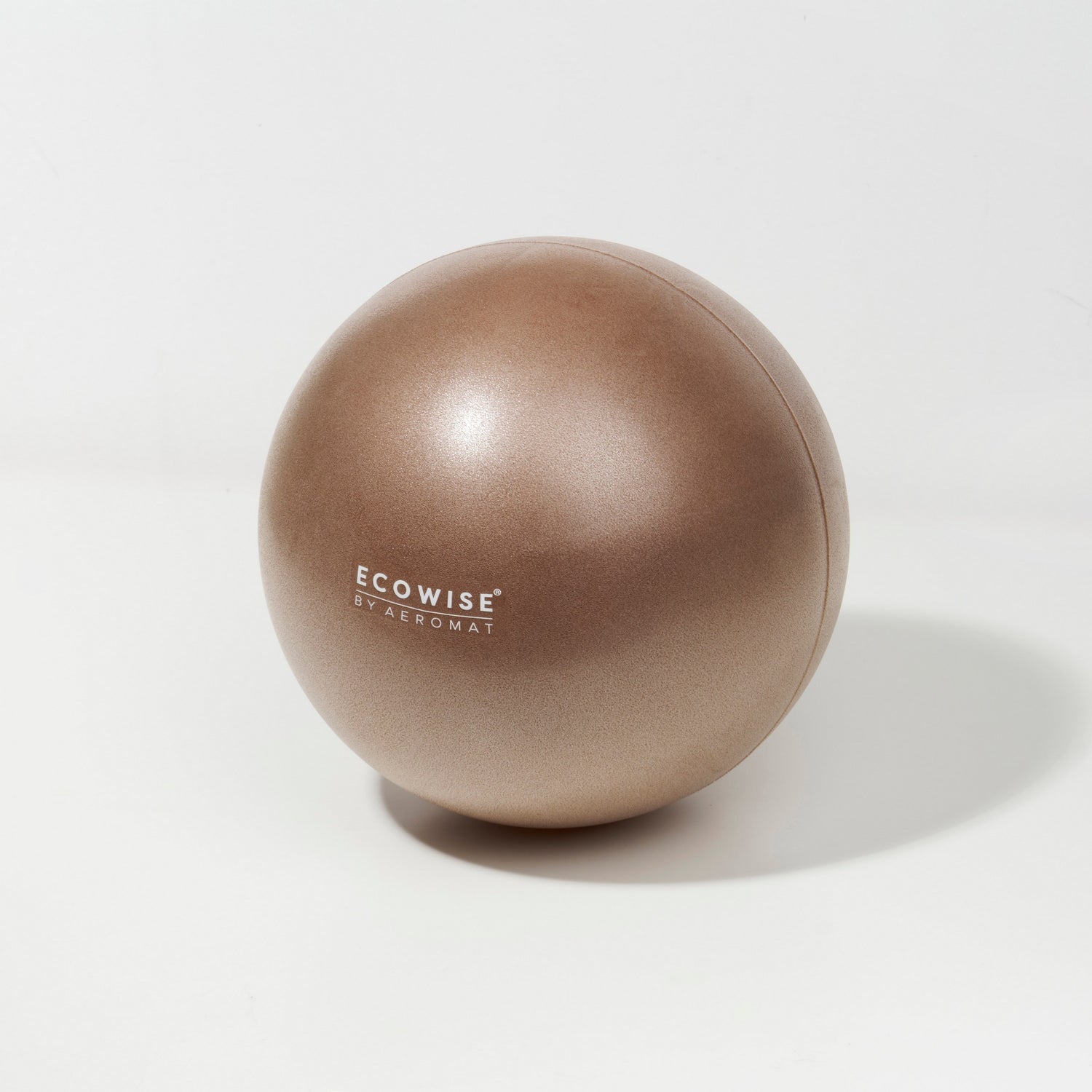
Air rollers use an inflatable design that can offer a somewhat different feel. Adjusting the amount of air may allow users to modify the firmness depending on their comfort level and intended use.
The best choice generally comes down to personal preference, experience level, desired pressure, and where you plan to use the roller.
Support Everyday Recovery With Aeromat/EcoWise
At Aeromat/EcoWise, we design fitness, mobility, and recovery products to support everyday wellness in real-life environments. Our equipment can be used in classrooms, workplaces, rehabilitation clinics, fitness studios, and home workout spaces, making it easier to incorporate movement and recovery into different daily routines.
Our recovery collection includes a wide selection of both air rollers and traditional foam rollers, giving users different options for mobility, warm-ups, cooldowns, and general muscle recovery. Whether you prefer the familiar firmness of a traditional foam roller or the adjustable feel of an air roller, our collection offers versatile equipment designed to support a range of fitness and wellness needs.
Build a Better Mobility and Recovery Routine
Learning how to relieve muscle tension in back and leg muscles with a roller can give you a simple way to support mobility before exercise, recover afterward, or address everyday stiffness from work and daily activity. By rolling slowly, controlling pressure, and targeting major muscle groups such as the upper back, glutes, quadriceps, hamstrings, and calves, you can create a recovery routine that fits naturally into your day.
Explore the Aeromat/EcoWise recovery collection to discover both traditional foam rollers and air roller options for your mobility and recovery needs. Find the roller that works best for your preferred level of pressure, your fitness routine, and the environments where you move, exercise, and recover.
FAQs
How can you relieve muscle tension in your back?
If you are wondering how to relieve muscle tension in back muscles, focus on gently rolling the upper and mid-back while avoiding direct pressure on the lower spine. You can also target nearby areas such as the glutes, hips, and hamstrings to support more comfortable movement.
How do you relieve tension in muscles after exercise?
One way to learn how to relieve tension in muscles after exercise is to use a foam roller on major muscle groups such as the calves, quadriceps, hamstrings, glutes, and upper back. Slow rolling, gentle stretching, hydration, and adequate recovery time can all support post-workout mobility.
How long should you foam roll tight muscles?
A common approach is to spend about 30 to 60 seconds on each muscle group while moving slowly and maintaining comfortable pressure. Longer sessions are not always necessary, especially if the area becomes tender or uncomfortable.
Is it better to foam roll before or after a workout?
Foam rolling can be useful both before and after exercise. Before a workout, shorter rolling sessions can support mobility and preparation, while slower rolling afterward can be incorporated into a cooldown and recovery routine.