


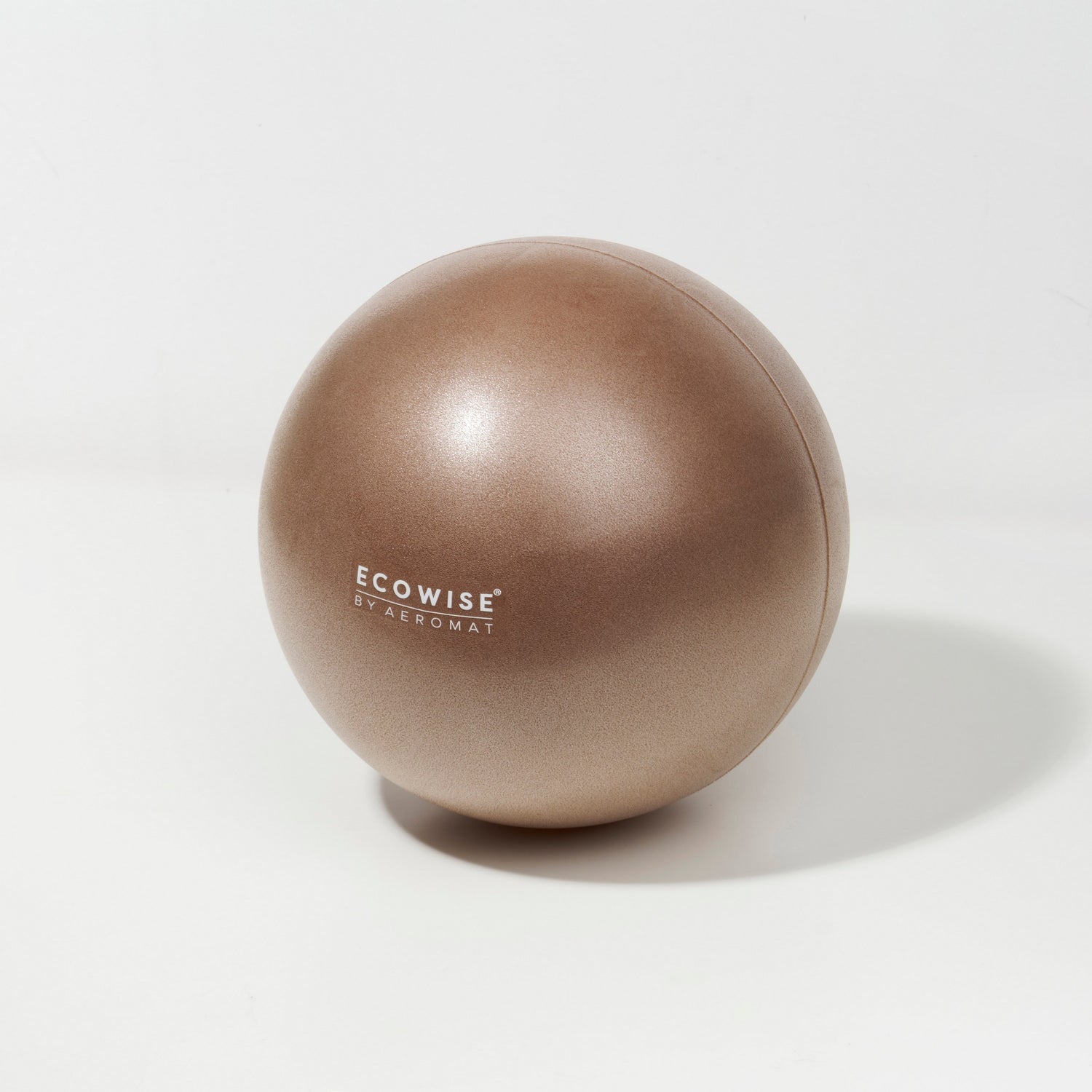


Training consistently places repeated stress on muscles, connective tissue, and joints. Whether you run, lift weights, play competitive sports, cycle, or participate in recreational fitness, recovery and mobility work can play an important role in keeping your body prepared for your next workout.
The best foam rollers for athletes can be used before exercise to help prepare tight muscle groups for movement and after training to support a structured recovery routine. However, not every roller feels or performs the same. Density, size, surface texture, and construction can all affect how an athletic roller feels and where it works best.
Understanding the different types of rollers for athletes can make it easier to choose an option that fits your training style, comfort preferences, and recovery routine.
Why Athletes Use Foam Rollers
Foam rolling is a form of self-myofascial release that applies controlled pressure to muscles and surrounding soft tissue. Athletes commonly incorporate rolling into warm-ups, cooldowns, mobility sessions, and recovery days.
Depending on how a roller is used, it can help athletes:
-
Warm up major muscle groups before activity
-
Work on areas that feel tight or stiff
-
Support mobility exercises
-
Add pressure-based massage to a recovery routine
-
Transition gradually from intense exercise into a cooldown
-
Target specific areas such as the calves, quadriceps, hamstrings, glutes, and upper back
Foam rolling should generally feel controlled rather than excessively painful. More pressure is not always better, particularly when rolling before a workout.
What to Look for in the Best Foam Rollers for Athletes
The right roller depends on both the athlete and the intended use. Someone looking for gentle pre-workout mobility may prefer a different design than an experienced athlete who wants more concentrated pressure after demanding training sessions.
Roller Density
Density determines how firm a foam roller feels beneath the body.
Softer rollers provide more cushioning and may be appropriate for beginners, sensitive areas, or lighter recovery sessions.
Medium-density rollers provide a balance between comfort and pressure, making them versatile options for regular training.
Firm rollers create more concentrated pressure and are often preferred by experienced users who want a stronger massage sensation.
Athletes should choose a firmness level that allows them to maintain control and relaxed breathing while rolling.
Roller Size
Longer foam rollers are useful when stability is important. They can be especially convenient for exercises involving the back or for movements that require both sides of the body to remain supported.
Shorter rollers are more compact and easier to transport. They can work particularly well for legs, calves, arms, and localized muscle groups.
Surface Texture
Traditional smooth foam rollers distribute pressure relatively evenly across the contact area. This makes them useful for general mobility, warm-ups, and larger muscle groups.
Textured rollers have raised surfaces or patterns designed to create more focused contact. Athletes who prefer a more pronounced massage sensation may gravitate toward these designs.
Portability
For athletes who train at a gym, field, studio, competition venue, or while traveling, portability can be just as important as firmness. A compact athletic roller can fit more easily inside a gym bag without sacrificing the ability to target major muscle groups.
Best Foam Rollers for Athletes by Training Need
Rather than searching for one universal “best” roller, it can be more helpful to consider how different types of rollers fit specific recovery goals.
1. Medium-Density Foam Rollers for Everyday Training

A medium-density foam roller is one of the most versatile options for athletes who want a single roller for frequent use.
These rollers provide enough firmness to work larger muscle groups without automatically creating the intense pressure associated with harder rollers. They can be incorporated into both warm-up and cooldown sessions.
Medium-density rollers for athletes may work well for:
-
Quadriceps
-
Hamstrings
-
Glutes
-
Calves
-
Upper back
-
General mobility routines
For athletes who are unsure where to start, a balanced density is often a practical choice.
2. Firm Foam Rollers for More Focused Pressure

Firm foam rollers are designed for athletes who prefer stronger pressure during recovery work. Because they compress less beneath the body, they can produce a more concentrated sensation.
A firm roller may be useful after demanding strength sessions, running workouts, cycling sessions, or sports practices when larger muscle groups feel particularly tight.
Athletes should still move slowly and avoid forcing excessive pressure onto painful or injured areas.
3. Soft Foam Rollers for Gentle Recovery

Not every recovery session requires aggressive pressure. Softer foam rollers can provide a more forgiving surface for athletes who want lighter rolling after exercise.
They may also be useful for:
-
Beginners learning proper rolling technique
-
Low-intensity recovery days
-
Sensitive muscle groups
-
Athletes returning gradually to activity
-
Longer mobility sessions
A softer roller can make it easier to control body weight and pressure while becoming familiar with foam rolling.
4. Compact Athletic Rollers for Travel and Gym Bags

Athletes who train in multiple locations may benefit from a shorter, more portable roller.
Compact rollers can still be effective for smaller or localized areas such as the calves, hamstrings, quadriceps, and arms. Their smaller footprint also makes them convenient for athletes with limited storage space at home.
For traveling competitors or anyone moving frequently between the gym, office, and home, portability can make recovery routines easier to maintain consistently.
5. Air Rollers for Adjustable Recovery

Air rollers provide an alternative to traditional solid foam construction. Instead of relying entirely on fixed foam density, an air-based design can offer a different feel while still supporting rolling and mobility exercises.
An air roller may appeal to athletes who want a lightweight recovery tool or who simply prefer the feel of an inflatable surface.
Having access to both air rollers and traditional foam rollers can also make it easier to vary recovery sessions depending on the muscle group, workout intensity, and desired pressure.
Choosing an Athletic Roller for Pre-Workout Use
Before a workout, foam rolling is typically used as part of a broader dynamic warm-up rather than as a standalone preparation method.
The goal is generally to encourage movement and prepare the body for activity rather than spending long periods applying intense pressure.
A pre-workout routine might include short rolling intervals for areas that will be heavily involved in the upcoming activity.
For example:
-
Runners might focus on the calves, quadriceps, hamstrings, and glutes.
-
Cyclists might spend additional time on the quadriceps and glutes.
-
Weightlifters might roll the upper back, lats, glutes, or legs depending on the planned lifts.
-
Court and field athletes might combine lower-body rolling with dynamic mobility drills.
For this purpose, many athletes may prefer a smooth or medium-density roller that allows them to move comfortably and efficiently.
Choosing a Foam Roller for Post-Workout Recovery
Post-workout rolling can be slower and more deliberate than pre-workout work.
After training, athletes may spend additional time on individual muscle groups while maintaining relaxed breathing and controlled movement. Instead of rapidly moving across the roller, they can gradually explore areas that feel particularly tight.
A simple post-workout routine could involve:
-
Calves after running or jumping
-
Quadriceps after cycling or squatting
-
Hamstrings after sprinting or lower-body training
-
Glutes after running, lifting, or field sports
-
Upper back after strength training or extended periods of sitting
A medium or firm roller may be appropriate depending on the athlete's experience and pressure preference.
Foam Roller vs. Air Roller: Which Is Better for Athletes?
Both styles can have a place in an athlete's recovery equipment collection.
|
Feature |
Traditional Foam Roller |
Air Roller |
|
Construction |
Solid foam or foam-based material |
Inflatable or air-filled design |
|
Feel |
Consistent, fixed density |
Different pressure and cushioning sensation |
|
Portability |
Depends on size |
Often lightweight and travel-friendly |
|
Best For |
General rolling, mobility, targeted recovery |
Mobility, recovery, and athletes who prefer an air-supported surface |
|
Pressure |
Determined largely by foam density |
Influenced by design and inflation |
|
Typical Use |
Pre-workout and post-workout |
Pre-workout, post-workout, or general wellness |
Neither option needs to replace the other. Some athletes may prefer keeping both available and selecting an athletic roller based on the specific workout or recovery session.
Matching the Roller to Your Sport
Different sports repeatedly stress different muscle groups, so the ideal roller can depend in part on how you train.
Runners
Runners commonly focus on the calves, quadriceps, hamstrings, and glutes. A medium-density or firm roller can provide broad coverage for these larger lower-body muscle groups.
Weightlifters
Strength athletes may benefit from a roller that can handle repeated use across the upper back, lats, glutes, quadriceps, and hamstrings. Both full-size and compact rollers can be useful depending on the exercise.
Cyclists
Cycling frequently places sustained demands on the quadriceps, hip area, glutes, and calves. A roller that provides controlled pressure across larger muscle groups can fit well into a cyclist's cooldown routine.
Field and Court Athletes
Soccer, basketball, tennis, pickleball, football, and similar sports involve acceleration, deceleration, jumping, and directional changes. Athletes may therefore want a versatile roller for the calves, quadriceps, hamstrings, and glutes.
General Fitness Athletes
People who combine strength training, cardio, classes, and recreational sports may benefit most from versatile rollers for athletes rather than highly specialized equipment. A medium-density traditional roller or adaptable air roller can cover a wide variety of training needs.
Building Foam Rolling Into a Complete Recovery Routine
Foam rolling is most useful when treated as one component of a broader wellness and recovery strategy.
Athletes should also consider:
-
Appropriate warm-ups
-
Gradual training progression
-
Mobility exercises
-
Adequate hydration
-
Sufficient sleep
-
Rest and easier training days
-
Balanced nutrition
-
Sport-specific stretching when appropriate
An athletic roller can support these habits, but it is not a substitute for proper training, rest, or professional care when an injury occurs.
Explore Foam Rollers and Air Rollers From Aeromat/EcoWise
At Aeromat/EcoWise, our products are designed to support everyday wellness in real-life environments. Our equipment can be used in classrooms, workplaces, rehabilitation clinics, fitness studios, gyms, and at home, making it easier for people with different activity levels and routines to incorporate movement and recovery into everyday life.
Our recovery collection includes a wide range of traditional foam rollers as well as air roller options for athletes, fitness enthusiasts, rehabilitation environments, and everyday users. Whether you are searching for the best foam rollers for athletes, a portable recovery option, or an air-based alternative to traditional foam construction, our collection provides multiple ways to support mobility and post-workout recovery.
Find the Right Athletic Roller for Your Recovery Routine
The best roller is ultimately the one that matches your comfort level, training style, and recovery needs. Some athletes may prefer the consistent support of a traditional foam roller, while others may appreciate the different feel and portability of an air roller.
Explore the Aeromat/EcoWise recovery collection to compare rollers for athletes and find the right option for your routine. Browse both our air rollers and traditional foam rollers to build a practical pre- and post-workout recovery setup that fits the way you train.
FAQs
What should athletes look for when choosing a foam roller?
Athletes should consider density, length, surface texture, portability, and the muscle groups they plan to target. The right athletic roller should provide enough pressure to be effective without making rolling excessively uncomfortable.
Are foam rollers good for athletes?
Yes, foam rollers for athletes can be useful for warm-ups, cooldowns, mobility work, and general recovery routines. They are commonly used to apply controlled pressure to larger muscle groups such as the calves, hamstrings, quadriceps, glutes, and upper back.
Should athletes foam roll before or after a workout?
Athletes can use a foam roller both before and after training. Pre-workout rolling is typically shorter and combined with dynamic movement, while post-workout rolling can be slower and more focused on areas that feel tight.
How often should athletes use a foam roller?
Foam rollers can be incorporated into an athlete’s routine several times per week or even daily if they are used comfortably. Frequency should depend on training volume, recovery needs, and how the body responds to rolling.