




Muscle soreness and stiffness are common after an intense workout, especially when introducing new exercises or increasing training intensity. While some discomfort is a natural part of the recovery process, excessive muscle tightness can make everyday movements uncomfortable and affect your next workout. Using a gym roller after exercise is a simple way to relieve tension, improve flexibility, and support post-workout recovery. Whether you prefer a traditional gym foam roller or an adjustable air roller, learning the proper techniques can help you make the most of your recovery routine.
What Is a Gym Roller and How Does It Work?
A gym roller is a cylindrical fitness tool designed to apply controlled pressure to muscles and surrounding soft tissues. It is commonly used for self-myofascial release, a technique that involves applying pressure to specific muscle groups to temporarily reduce feelings of tightness and improve mobility.
During exercise, muscles experience physical stress that can contribute to temporary stiffness and delayed-onset muscle soreness (DOMS). This soreness typically develops several hours after a workout and may peak within 24 to 72 hours, particularly following unfamiliar or strenuous movements.
Using a gym roller after training may help reduce the perception of muscle soreness and improve short-term range of motion. However, foam rolling does not directly eliminate exercise-related muscle damage or guarantee faster tissue repair.
There are two popular types of rollers used for muscle recovery:
-
Traditional foam rollers: Made from supportive foam materials, these rollers provide consistent pressure for massaging different muscle groups. They are available in various densities, sizes, and surface textures.
-
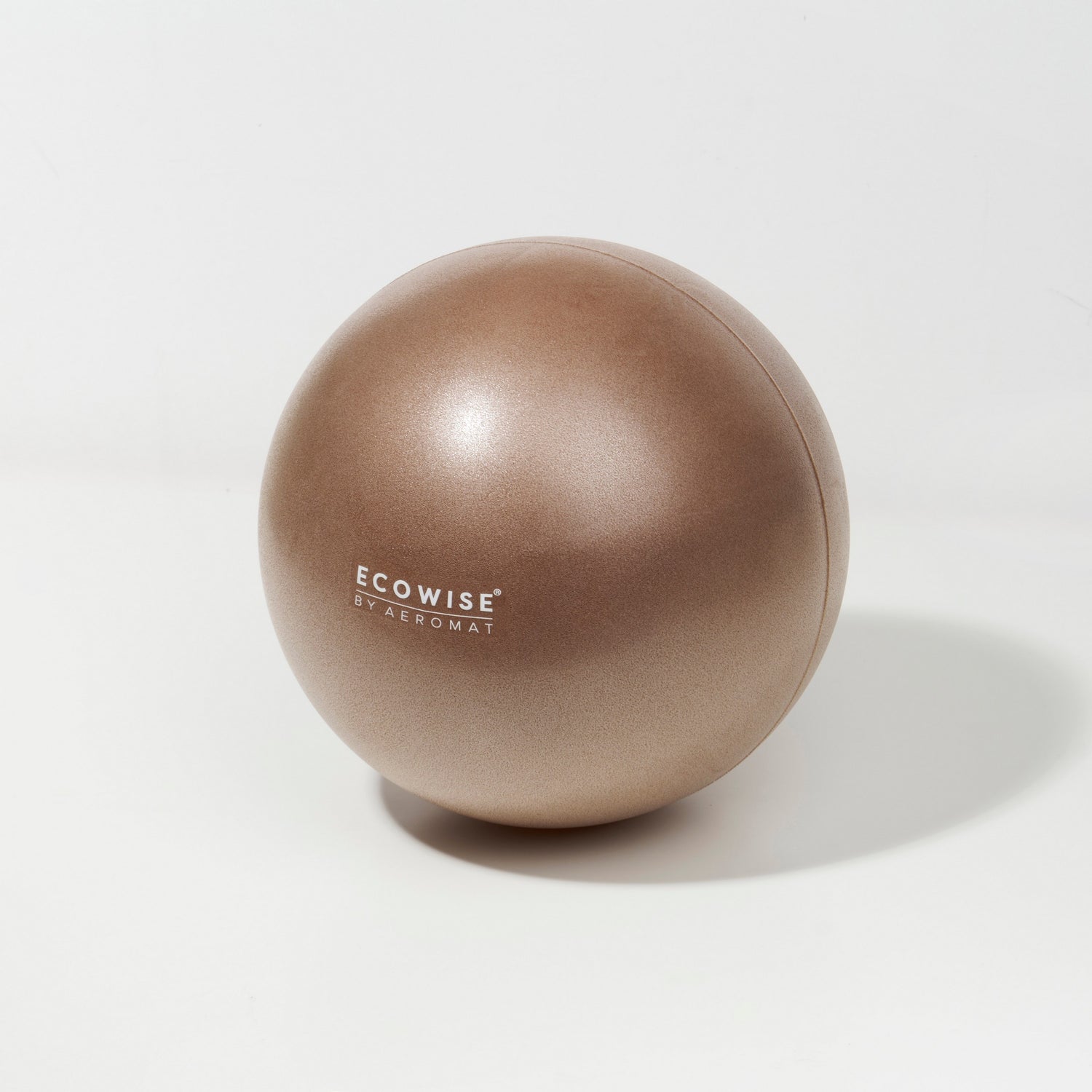
Adjustable air rollers: Inflatable rollers allow users to modify firmness by adjusting internal air pressure. This makes it easier to customize massage intensity according to personal comfort and recovery needs.

Both options can be incorporated into post-workout routines to help manage muscle tension and maintain flexibility.
Benefits of Using a Gym Foam Roller After Exercise
Incorporating a gym foam roller into your cooldown routine can provide several benefits, particularly when combined with proper hydration, nutrition, sleep, and adequate recovery time.
Helps Reduce Post-Workout Muscle Soreness
One of the main reasons people use gym rollers is to manage muscle soreness after exercise. Foam rolling applies controlled pressure to worked muscles, which may help decrease tenderness and make movement feel more comfortable during recovery.
This can be particularly beneficial after strength training, running, cycling, or other activities that place repeated stress on major muscle groups.
Improves Flexibility and Range of Motion
Muscle stiffness can temporarily limit movement after a demanding workout. Foam rolling may help improve short-term range of motion, allowing muscles and joints to move more comfortably.
Regular rolling can complement stretching and mobility exercises, helping athletes and fitness enthusiasts maintain flexibility between training sessions.
Relieves Muscle Tightness and Tension
Repetitive movements and intense physical activity can leave certain muscle groups feeling especially tight. A gym roller allows users to apply targeted pressure to areas such as the quadriceps, calves, glutes, and upper back.
Gentle rolling can temporarily ease feelings of tension without requiring specialized massage equipment or assistance from another person.
Supports a Consistent Recovery Routine
A major advantage of foam rolling is its convenience. Most exercises require only a roller and enough floor space to move comfortably.
Because rolling can be completed in just a few minutes, it is easy to incorporate into an existing cooldown routine. Consistent use can also encourage greater awareness of muscle tightness, making it easier to adjust training and recovery habits when necessary.
How to Use a Gym Roller After a Workout: Step-by-Step Techniques
Learning how to use a gym roller correctly is essential for maximizing comfort and avoiding unnecessary pressure on sensitive areas. Rather than rolling aggressively, focus on slow, controlled movements that target the muscles used during your workout.
The following gym foam roller techniques can help address common areas of post-exercise tightness.
1. Calf Rolling for Lower Leg Recovery
The calf muscles work extensively during running, walking, jumping, and many lower-body exercises. Rolling these muscles after training may help relieve tightness around the back of the lower legs.

How to perform calf rolling:
-
Sit on the floor with your legs extended in front of you.
-
Position the gym roller underneath one calf.
-
Place your hands behind your body for support.
-
Gently lift your hips and slowly roll from above the ankle toward the area below the knee.
-
Continue for approximately 30 to 60 seconds before switching legs.
For more targeted pressure, adjust your body position slightly to reach the inner and outer portions of the calf. Avoid rolling directly over the Achilles tendon or the back of the knee.
2. Quadriceps Rolling for Front Thigh Tension
The quadriceps are heavily involved in squats, lunges, cycling, and other exercises that require knee extension. Foam rolling these muscles can help manage tightness after demanding lower-body workouts.

How to perform quadriceps rolling:
-
Lie face down with the gym foam roller positioned underneath the front of your thighs.
-
Support your upper body using your forearms.
-
Slowly move your body forward and backward over the roller.
-
Focus on the muscular area between the upper thigh and just above the knees.
-
Continue for 30 to 60 seconds, maintaining comfortable pressure.
Beginners can reduce the intensity by rolling one leg at a time while keeping the opposite leg on the floor for additional support.
3. Hamstring Rolling for Back Thigh Relief
The hamstrings play an important role in running, bending, lifting, and lower-body strength exercises. After a workout, these muscles may feel tight, particularly following deadlifts, sprinting, or other demanding movements.

How to perform hamstring rolling:
-
Sit on the floor with the roller positioned underneath one or both thighs.
-
Place your hands behind you to support your body weight.
-
Lift your hips slightly and slowly roll along the back of your thighs.
-
Move between the area below your glutes and just above your knees.
-
Continue for approximately 30 to 60 seconds.
Avoid pressing directly into the back of the knee. Adjust the pressure by keeping more weight supported through your hands and opposite leg.
4. Glute Rolling for Hip and Lower-Body Mobility
The gluteal muscles contribute to hip stability, lower-body strength, and movements such as squatting, climbing, and running. Rolling the glutes can help relieve localized tightness around the hips and buttocks.

How to perform glute rolling:
-
Sit on the gym roller with both feet planted on the floor.
-
Lean slightly toward one side to focus pressure on a single glute.
-
Place your hands behind you for balance.
-
Slowly roll over the muscular portion of the glute.
-
Continue for 30 to 60 seconds before switching sides.
You can also cross one ankle over the opposite knee to change the angle of pressure. Use caution with this variation if you experience hip discomfort or radiating nerve symptoms.
5. Upper Back Rolling for Post-Workout Stiffness
Upper back muscles can become tense after exercises such as rows, pull-ups, presses, and other upper-body movements. Rolling the thoracic region may help improve comfort and mobility around the upper back.

How to perform upper back rolling:
-
Sit on the floor with the roller positioned horizontally behind you.
-
Lean backward until the roller supports your upper back below the shoulder blades.
-
Bend your knees and keep your feet planted on the floor.
-
Support your head with your hands and gently lift your hips.
-
Slowly roll across the muscular upper-back region for 30 to 60 seconds.
Keep movements controlled and avoid placing direct pressure on your neck or lower back. If rolling across the spine feels uncomfortable, use gentler pressure or seek guidance from a qualified fitness or rehabilitation professional.
How Long Should You Use a Gym Foam Roller After a Workout?
The ideal foam rolling duration depends on workout intensity, muscle soreness, and individual comfort. Most people can begin with a short session lasting approximately 5 to 10 minutes and adjust their routine according to their needs.
A practical starting point is to spend 30 to 60 seconds on each major muscle group, focusing on areas that feel particularly tight. Some individuals may benefit from slightly longer sessions, but excessive rolling is not necessary to achieve results.
Here is an example of a simple post-workout gym roller routine:
|
Muscle group |
Suggested duration |
Primary focus |
|
Calves |
30–60 seconds per leg |
Lower-leg tightness |
|
Quadriceps |
30–60 seconds per leg |
Front thigh tension |
|
Hamstrings |
30–60 seconds per leg |
Back thigh flexibility |
|
Glutes |
30–60 seconds per side |
Hip and glute comfort |
|
Upper back |
30–60 seconds total |
Upper-body stiffness |
These durations are general guidelines rather than strict requirements. Individuals should adjust rolling frequency, intensity, and duration based on personal tolerance.
Choosing Between an Air Roller and Traditional Gym Foam Roller
Both air rollers and traditional foam rollers can support post-workout muscle recovery, but each offers different advantages. The right option depends on your preferred massage intensity, experience level, and intended use.
Traditional Gym Foam Rollers
Traditional foam rollers provide consistent firmness and are available in different densities and textures. Softer models are often more comfortable for beginners, while firmer rollers produce more concentrated pressure.
A traditional gym foam roller may be ideal for individuals who want:
-
A simple recovery tool that requires minimal setup.
-
Consistent pressure throughout each rolling session.
-
Different density options for varied preferences.
-
A durable accessory for home gyms or fitness facilities.
-
A versatile tool for stretching and mobility exercises.
Textured foam rollers may also provide a more concentrated massage sensation, although greater pressure does not necessarily produce better recovery outcomes.
Adjustable Air Rollers
Air rollers offer a different approach to muscle recovery by allowing users to change the roller's firmness through inflation. This adjustability can be particularly useful for individuals who prefer different pressure levels depending on muscle sensitivity or workout intensity.
An adjustable air roller may be beneficial for those who want:
-
Customizable pressure for different muscle groups.
-
A gentler rolling experience when muscles feel sensitive.
-
Adjustable firmness within a single recovery tool.
-
A lightweight option for transportation and storage.
-
Greater flexibility when sharing equipment with users who have different comfort preferences.
Ultimately, both types of gym rollers can be effective additions to a fitness recovery routine. The most important consideration is selecting equipment that allows you to apply comfortable, controlled pressure consistently.
Discover Gym Rollers and Recovery Equipment at Aeromat/EcoWise
At Aeromat/EcoWise, we believe that everyday wellness should be accessible, practical, and easy to incorporate into different environments. Our fitness, exercise, and recovery products are designed to support movement, comfort, and overall well-being in real-life settings, including classrooms, workplaces, rehabilitation clinics, fitness studios, and homes. Whether you are building a personal workout space, equipping a professional training facility, or supporting wellness programs, our equipment offers versatile solutions for a wide range of activities and users.
Our extensive collection of foam rollers and recovery equipment includes traditional gym foam rollers, textured rollers, high-density options, and adjustable air rollers. Our traditional foam rollers provide reliable support for stretching, self-massage, and muscle recovery, while our adjustable air rollers offer customizable firmness for a more personalized experience. With options suited for different comfort levels and fitness goals, Aeromat/EcoWise makes it easier to incorporate effective recovery tools into your daily routine.
Support Your Muscle Recovery With a Gym Roller From Aeromat/EcoWise
Using a gym roller after exercise is a practical way to manage muscle soreness, ease tension, and improve short-term flexibility. By incorporating controlled rolling techniques into your cooldown routine, you can help maintain comfortable movement and support your overall recovery habits. Whether you prefer the dependable pressure of a traditional gym foam roller or the customizable firmness of an air roller, choosing the right equipment can make post-workout recovery more convenient and comfortable.
Ready to improve your post-workout recovery routine? Explore our gym foam rollers and adjustable air roller options at Aeromat/EcoWise. Discover our wide selection of recovery equipment and find the right tools to help you relieve muscle tension, support mobility, and make recovery an essential part of your fitness routine.
FAQs
What is a gym roller used for?
A gym roller is a fitness recovery tool used to relieve muscle tension, improve flexibility, and reduce post-workout soreness. It works by applying controlled pressure to different muscle groups through a technique known as self-myofascial release.
Should you use a gym roller before or after a workout?
A gym roller can be used both before and after exercise, depending on your fitness goals. Before a workout, foam rolling may improve short-term mobility, while post-workout rolling can help relieve muscle tightness and reduce soreness.
What muscles should you target with a gym roller?
Common muscle groups to target with a gym roller include the calves, quadriceps, hamstrings, glutes, and upper back. The best areas to focus on depend on your workout routine and which muscles feel particularly tight or sore afterward.
Where can you buy gym foam rollers and adjustable air rollers?
Aeromat/EcoWise offers a wide selection of gym foam rollers and adjustable air rollers designed to support stretching, muscle recovery, and everyday wellness. Their recovery equipment is suitable for a variety of environments, including home gyms, fitness studios, rehabilitation clinics, and workplace wellness spaces.