




Choosing the right exercise mat size can make workouts more comfortable, safer, and more effective. Whether you need a mat for yoga, Pilates, stretching, bodyweight training, or recovery work, the dimensions you choose affect how much space you have to move, how supported your body feels, and how practical the mat is for your home or studio setup.
If you have ever wondered “what size exercise mat should I buy?”, the answer depends on your height, workout style, available floor space, and the amount of cushioning you need. This guide breaks down how to choose the best mat length, width, and thickness so you can confidently find the right fit for your routine.
Why Exercise Mat Size Matters
The right exercise mat size does more than cover the floor. It helps create a stable, comfortable foundation for movement.
A mat that is too short may leave your head, knees, or feet off the surface during key exercises. A mat that is too narrow can feel restrictive when you are stretching, changing positions, or doing side-to-side movement. Thickness also matters because it affects joint support, balance, portability, and storage.
When comparing sizes, think about how you will actually use the mat:
-
For yoga, you may want a mat that supports standing, seated, and floor poses
-
For Pilates, you may need more cushioning and a bit more width
-
For HIIT or bodyweight workouts, extra room can help with dynamic movement
-
For therapy or rehabilitation, comfort and impact absorption may matter most
-
For home gyms, the mat should fit your space without making the room feel crowded

The Three Main Dimensions to Consider
When choosing an exercise mat size, focus on three measurements: length, width, and thickness.
1. Mat Length
Length is one of the most important factors. A good rule is to choose a mat that is at least as long as your height, and ideally slightly longer.
In general:
-
Shorter adults may be comfortable with a 68-inch to 72-inch mat
-
Taller users often benefit from mats 72 inches and longer
-
Extra-long mats are especially useful for floor workouts, stretching, and full-body movement
If your hands or feet regularly go off the mat, it is time to size up.
2. Mat Width
Width affects how much side-to-side room you have.
A standard mat width often works well for yoga and basic floor exercises, but a wider mat can be a better choice for:
-
Pilates
-
Core work
-
Physical therapy
-
Stretching
-
Users who want more freedom of movement
-
Shared or instructor-led demonstrations
A wider exercise mat size can also make beginners feel more comfortable, since there is more room to move without worrying about slipping off the edges.
3. Mat Thickness
Thickness is not always included in conversations about exercise mat size, but it should be. It directly affects comfort and performance.
Here is how thickness typically impacts use:
-
Under 1/4": Best for users who want more floor connection and stability
-
3/8" - 3/4": A versatile mid-range option for general fitness, stretching, and mixed routines
-
Over 1": Ideal for users who want maximum cushioning for therapy, rehabilitation, or high-comfort floor work
Thicker mats are often more comfortable on knees, hips, wrists, and elbows, but they can be bulkier to store.
Standard Exercise Mat Sizes at a Glance
Below is a simple table to help compare common exercise mat size options and who they may work best for.
|
Mat Size Type |
Typical Dimensions |
Best For |
Key Benefit |
|
Standard |
24" x 68" to 24" x 72" |
Yoga, basic stretching, light floor work |
Easy to store and widely available |
|
Wide |
30" to 36" x 72" |
Pilates, core training, rehab, beginners |
More room for movement |
|
Extra Wide |
48" x 72" or larger |
Bodyweight workouts, therapy, partner work |
Spacious and comfortable |
|
Extra Long |
24" x 84" to 48" x 96" |
Taller users, full-body training, stretching |
Better head-to-toe coverage |
|
Thick Folding Mat |
Varies, often 1"+ thick |
Fitness, therapy, recovery, home gyms |
More cushioning and easier storage |
How to Choose the Right Exercise Mat Size for Your Workout Style
Different workouts place different demands on your mat. The best exercise mat size for yoga may not be the best one for strength training or rehab.
Yoga
Yoga practitioners often want enough length for lying poses and enough grip for standing transitions. A standard width may work for many users, but taller individuals may want extra length.
A good yoga mat choice usually offers:
-
Length at least equal to your height
-
Moderate thickness for comfort without reducing stability
-
Enough width for seated and supine poses
Pilates
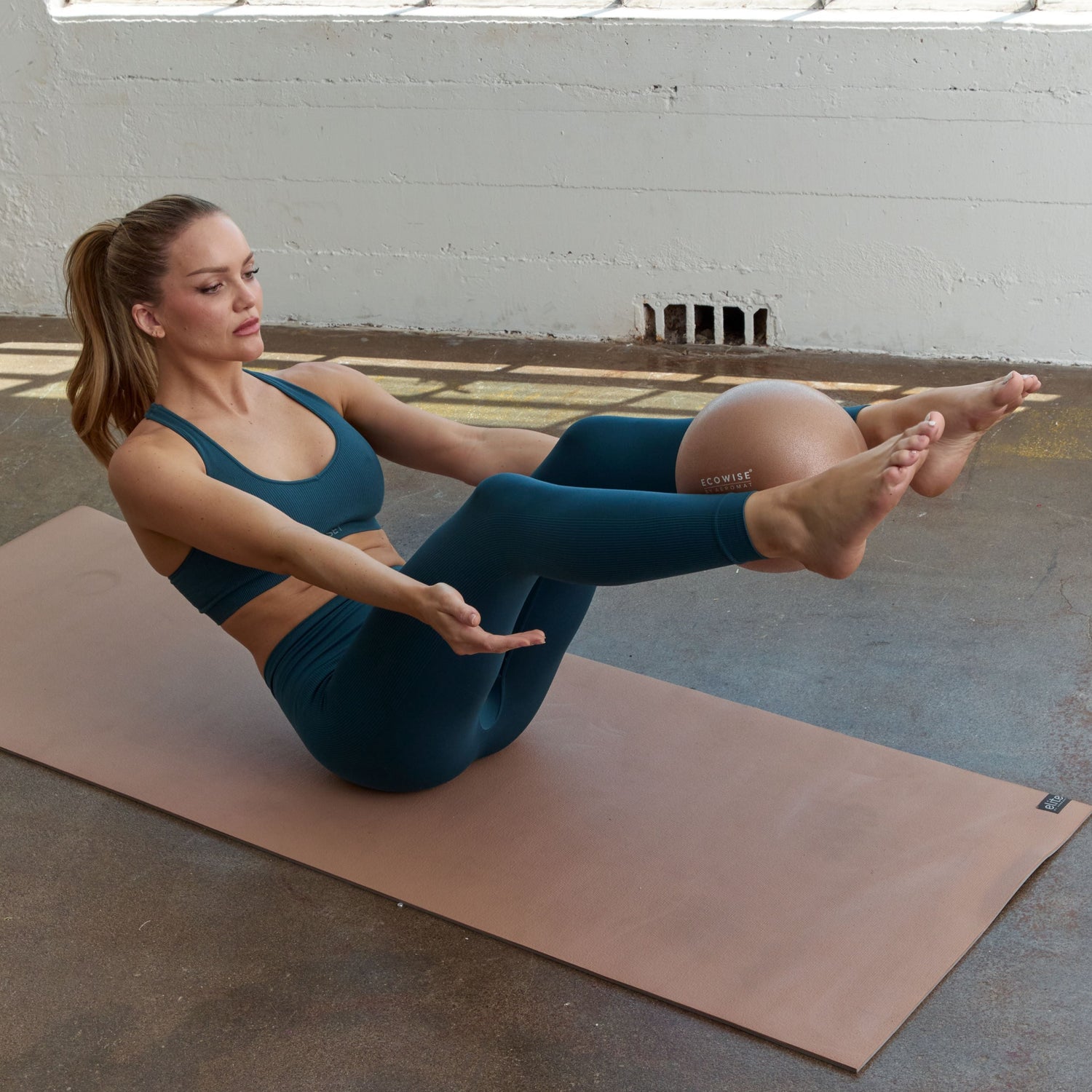
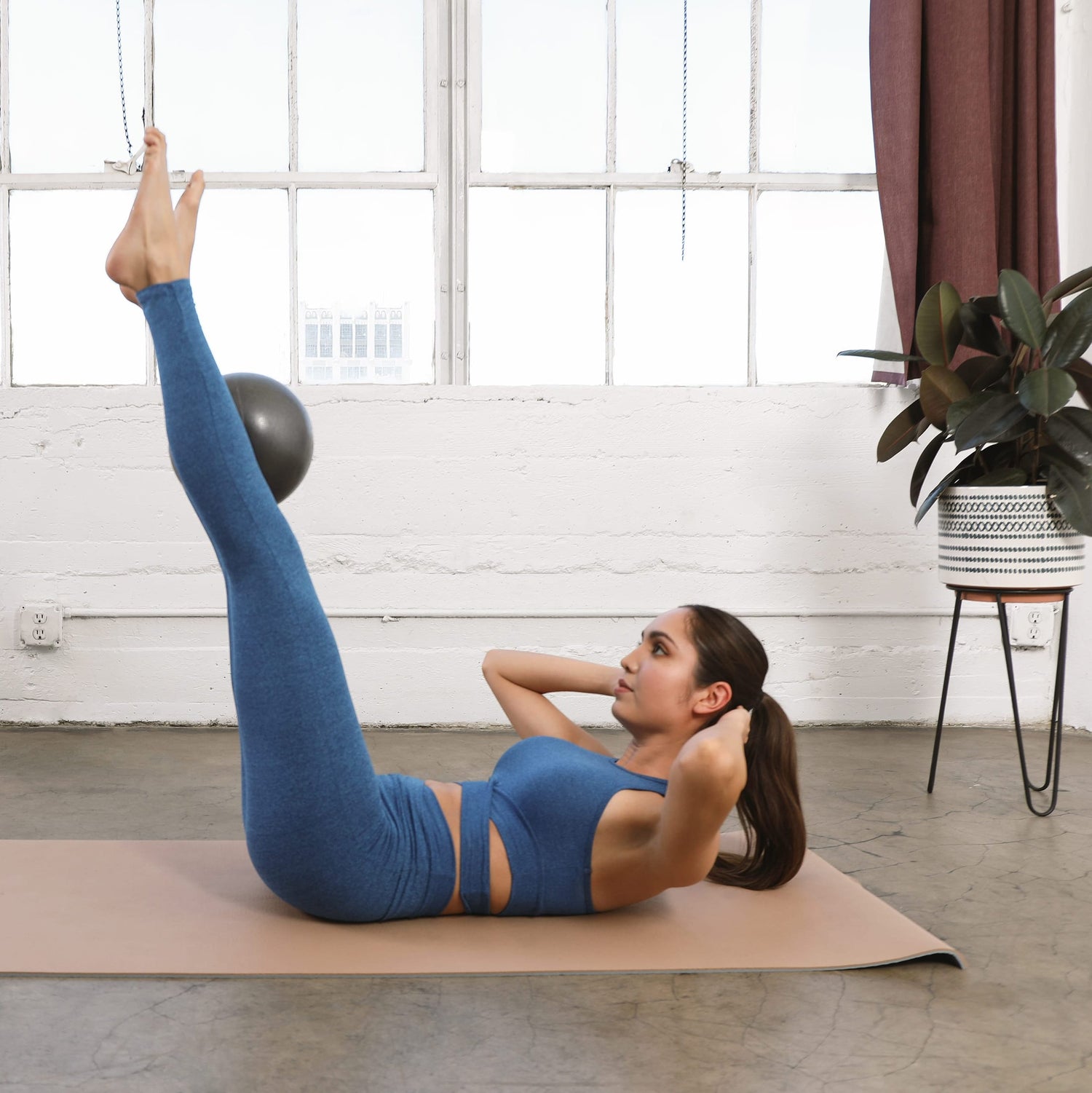
Pilates often involves rolling, core work, and repeated transitions on the floor. That means more cushioning and sometimes more width are helpful.
For Pilates, many people prefer:
-
A longer mat for full-body extension
-
A wider surface for comfort during side-lying work
-
More padding to support the spine and hips
General Fitness and Bodyweight Workouts
For planks, glute bridges, core circuits, stretching, and mobility training, a larger workout mat size is often more practical than a narrow yoga mat.
This is especially true if your routine includes:
-
Burpees
-
Mountain climbers
-
Push-ups
-
Lunges
-
Mobility drills
-
Warm-up and cooldown work
The more varied your routine is, the more a larger mat can improve comfort and convenience.
Therapy and Rehabilitation
For therapy, recovery, and low-impact movement, the ideal mat usually prioritizes support and stability. Extra thickness is often beneficial, especially for people working through joint sensitivity or performing exercises on hard floors.
A thicker, folding mat can be a strong option for:
-
Physical therapy settings
-
At-home recovery routines
-
Gentle stretching
-
Senior fitness
-
Low-impact floor exercises
Exercise Mat Size by Body Type and Height
Your body size should help guide your purchase. A mat should support your full range of motion, not just part of it.

For Shorter Users
If you are below average height, a standard 72-inch mat may already provide enough length. Width becomes the more important factor if you do Pilates or wider floor movements.
For Average-Height Users
Most users can work comfortably on a 72-inch mat, but width and thickness should still be selected based on exercise type and comfort preferences.
For Taller Users
Taller individuals often need an exercise mat size longer than standard to avoid hanging off the ends during stretches, abdominal work, or recovery exercises. A longer and wider format can make a big difference in comfort.
Questions to Ask Before Buying
Before deciding on a mat, it helps to think through how and where it will be used.
Ask yourself:
-
Will I mostly use the mat for yoga, Pilates, workouts, or therapy?
-
Do I need more cushioning for sensitive joints?
-
Am I tall enough to need extra length?
-
Do I want more width for stretching or floor movement?
-
Will I store the mat away after each use?
-
Am I using it at home, in a studio, or in a clinical setting?
These answers will help narrow down the right exercise mat size for your needs.
Common Mistakes to Avoid When Choosing an Exercise Mat Size
It is easy to focus only on thickness or price, but dimensions matter just as much.
Here are a few common mistakes:
-
Choosing a mat based only on appearance
-
Buying a standard width when your workouts require more room
-
Ignoring your height when selecting mat length
-
Assuming thicker is always better for every activity
-
Forgetting to measure your available floor space
A well-chosen mat should match both your body and your workout routine.
Aeromat/EcoWise: Quality Mats Designed for Real-World Use
At Aeromat/EcoWise, we understand that choosing the right exercise mat size is about more than measurements alone. It is about finding equipment that supports your movement, fits your environment, and holds up over time. Our mats are designed for a wide variety of settings, from home fitness spaces and yoga studios to rehabilitation and therapy environments.
One standout option in our lineup is the Aeromat Deluxe Tri Folding Fitness Mat, a durable and supportive solution for users who want more cushioning and versatility. This mat is available in three sizes, making it easier to choose a fit based on your space and use case:
-
Small: 1.5" x 24" x 72"
-
Medium: 1.5" x 36" x 72"
-
Large: 1.5" x 48" x 96"

These size options make the Aeromat Deluxe Folding Fitness Mat a practical choice for different types of users:
-
The Small size works well for compact home setups and individual floor exercises
-
The Medium size offers more room for stretching, core work, and Pilates-style movement
-
The Large size is ideal for taller users, broader movement patterns, therapy applications, and anyone who wants a more spacious workout surface
Because it is a folding mat with 1.5 inches of cushioning, it is especially well suited for general fitness, recovery work, and any routine where comfort and support are priorities.
Find the Right Exercise Mat Size for Your Routine
The best exercise mat size depends on how you move, how much space you need, and how much support you want under your body. A shorter, narrower mat may work for simple routines, while wider, longer, and thicker mats are often better for Pilates, workouts, therapy, and full-body floor training.
If you want a mat that fits your routine and supports your comfort, explore a size that matches both your body and your intended use. Browse our collection of workout mats to find options for yoga, Pilates, workout, and therapy needs, with thicknesses ranging from Under 1/4", 3/8" - 3/4", and Over 1" so you can choose the mat that feels right for your space and training style.
FAQs
What size exercise mat should I buy?
The right mat size depends on your height, workout style, and how much room you need to move comfortably. In general, your mat should be at least as long as your body, and wider mats are often better for Pilates, stretching, and general fitness workouts.
What thickness should an exercise mat be?
The best thickness depends on the type of exercise you do and how much cushioning you need. Thinner mats can provide more stability, while thicker mats are often better for joint support, floor workouts, and rehabilitation use.
What is the best exercise mat size for beginners?
Beginners often benefit from a mat that offers a little more width and cushioning because it feels more forgiving and comfortable. A mat that supports a variety of movements can also be helpful if you are still exploring different workout styles.
What is the standard exercise mat size?
A standard exercise mat size is often around 24 inches wide and 68 to 72 inches long. This size works well for many yoga and basic floor exercise routines, but it may feel too narrow or short for taller users or more dynamic workouts.