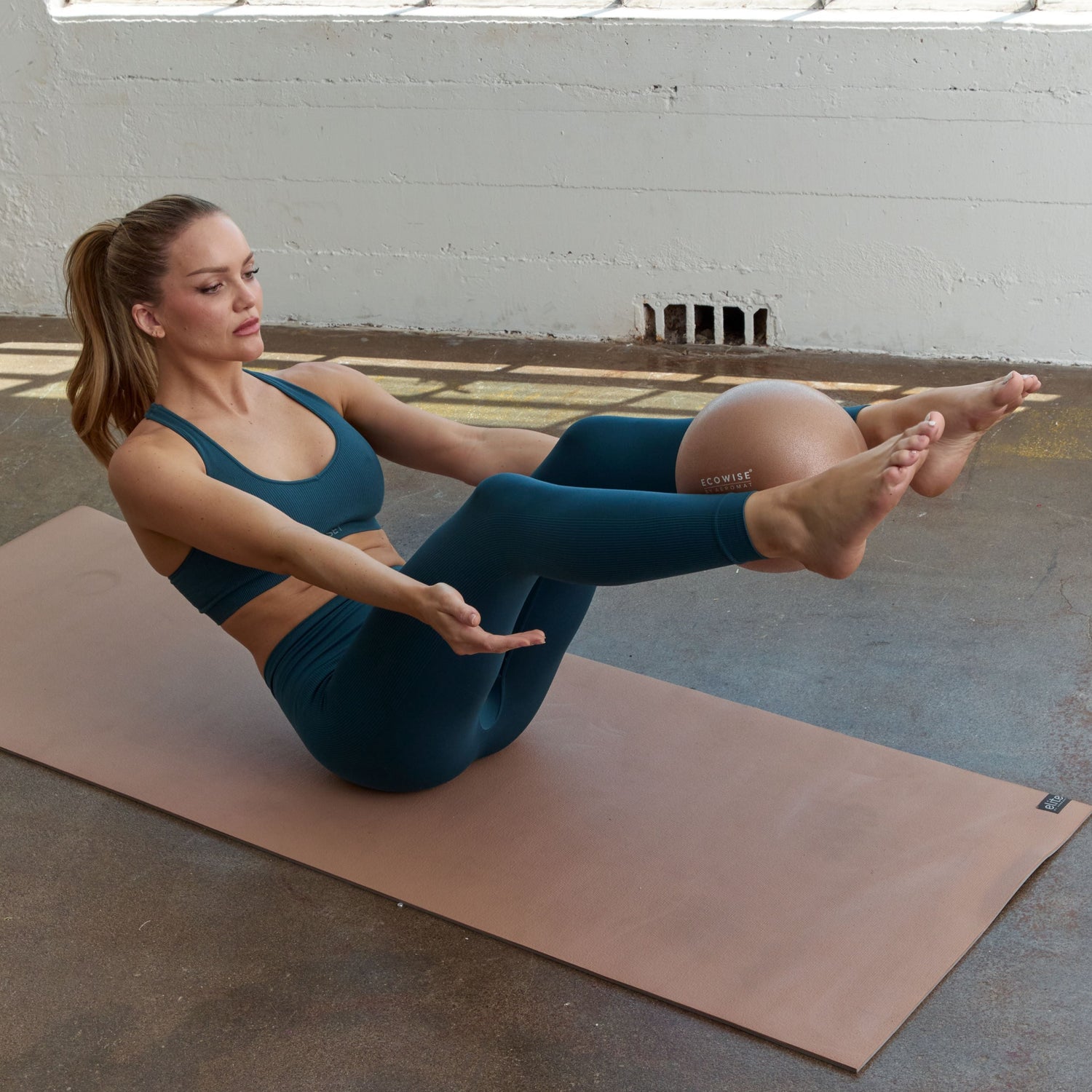

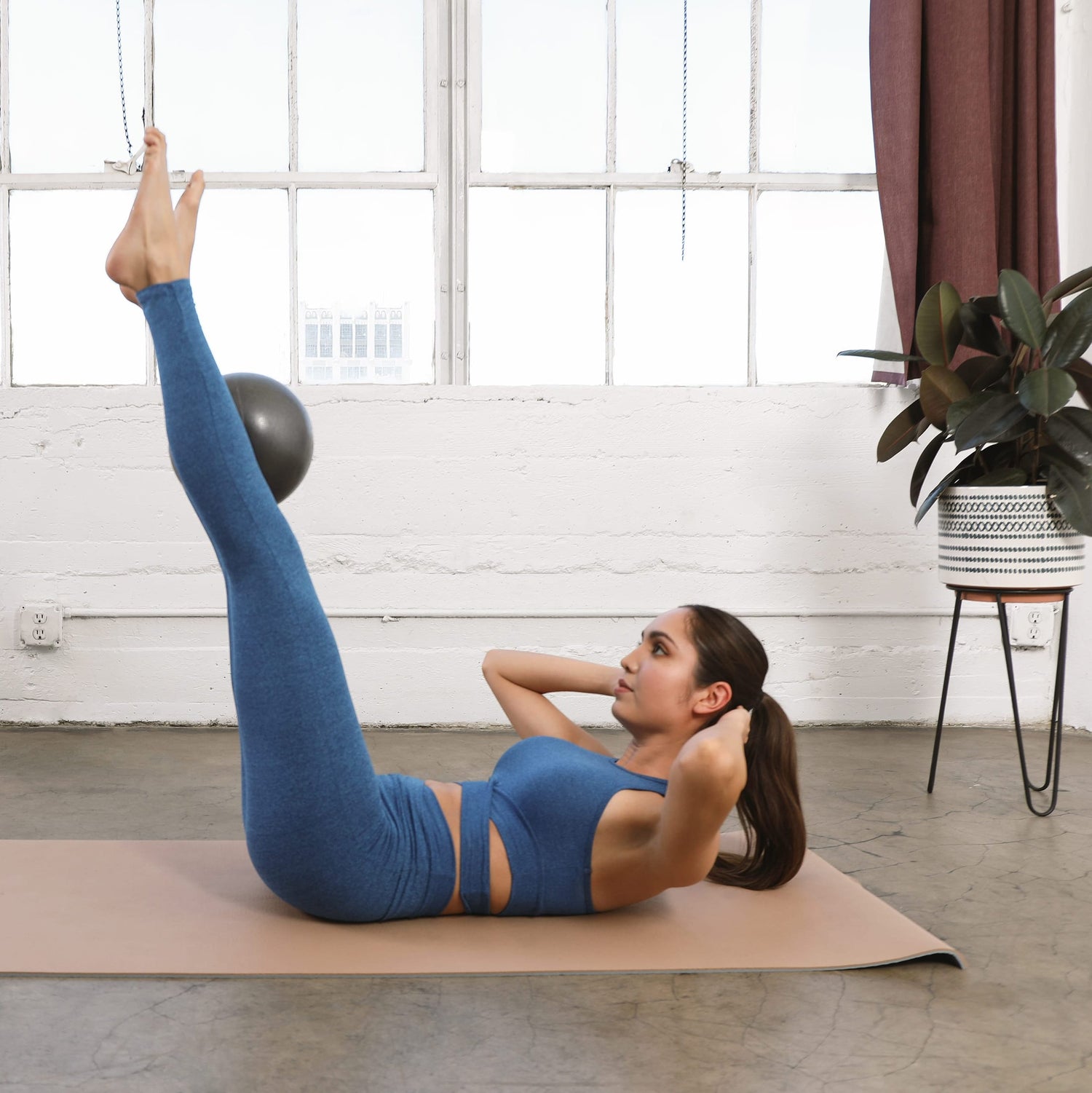




Choosing the right yoga mat is about more than comfort and grip. The materials in your mat can also affect the air you breathe, the surfaces your skin touches, and the overall quality of your practice space. For many health-conscious consumers, a phthalate-free yoga mat is a smarter option because it supports a cleaner, lower-toxin wellness routine.
Whether you practice yoga daily, stretch a few times a week, or use mats for Pilates, therapy, or general workouts, selecting a phthalate-free mat can make a meaningful difference. Many people choose phthalate-free yoga mats because they are often eco-friendly and non-toxic, appealing to those who want to protect both their health and the environment. Below, we explore the top reasons why a phthalate-free yoga mat may be better for your health and why more people are making the switch.
What Does Phthalate-Free Mean?
Phthalates are a group of chemicals often used to make certain plastics, including yoga mats, softer and more flexible. Phthalates are commonly used as plasticizers in yoga mats to enhance flexibility, but they are linked to various health risks, including hormone disruption. In consumer products, these chemicals have raised concerns among shoppers who want to reduce unnecessary chemical exposure in their everyday environments.
A phthalate-free yoga mat is made without those added phthalates, helping create a workout surface that may feel like a more responsible and health-aware choice. Many conventional yoga mats are made with harmful chemicals like PVC and phthalates, which can release toxic fumes during use, especially when heated or wet.
PVC (polyvinyl chloride) is a common material in cheap yoga mats due to its low cost and spongy texture, but it contains harmful additives like phthalates that can disrupt hormones and pose health risks. For many people, this is especially important because yoga and fitness routines are meant to support wellness, not introduce toxic materials they would rather avoid.
Why Material Choice Matters in a Yoga Mat
When you practice on a mat, your hands, feet, arms, and sometimes even your face come into direct contact with its surface. During a heated or active session, that contact increases as body heat, sweat, and friction rise. This is one reason many shoppers pay closer attention to what their mats are made from. Many conventional yoga mats, especially cheap mats, may contain harmful chemicals like PVC and phthalates, which can release toxic fumes and pose health risks during use.
A thoughtfully designed phthalate-free yoga mat can support a healthier routine by offering:
-
Fewer potentially concerning additives
-
A cleaner surface for repeated skin contact
-
Better alignment with low-toxin lifestyle choices
-
More confidence in the products used at home or in studio settings
-
Use of natural materials such as cork and natural rubber, which are biodegradable and environmentally friendly
If wellness is the goal, the materials beneath you should support that goal too.
Top Health Benefits of Using Phthalate-Free Yoga Mats

1. Reduced Exposure to Unwanted Chemicals
One of the main reasons people choose a phthalate-free yoga mat is to reduce everyday contact with certain chemical additives. Since yoga and fitness mats are used close to the skin and often in enclosed indoor spaces, many consumers prefer mats made with simpler, safer-feeling materials.
This can be especially important for people who:
-
Use their mat every day
-
Practice in small home studios
-
Prefer low-toxin wellness products
-
Are mindful about the materials used in their fitness gear
A phthalate-free option supports a more intentional approach to overall health and product safety.
2. Better for Sensitive Users
People with sensitivities often pay close attention to the products they bring into their homes. A phthalate-free yoga mat may be a better fit for users who want to avoid harsh-smelling or heavily treated materials.
While every mat is different, many people prefer phthalate-free mats because they feel more comfortable using products that are made with fewer concerning additives. That can be particularly appealing for:
-
Sensitive users
-
Families
-
Wellness professionals
-
Studios serving a wide range of clients
If your goal is to create a cleaner personal workout space, switching to a phthalate-free yoga mat is a strong place to start.
3. Less “Chemical” Feel in Your Practice Space
A yoga practice is meant to feel grounding, calm, and restorative. The last thing many users want is a mat that seems overly synthetic or at odds with a wellness-focused environment. A phthalate-free yoga mat can better support the kind of clean, mindful atmosphere many people want in a home gym, studio, or therapy setting.
This is one reason phthalate-free mats are popular not only for yoga, but also for Pilates, stretching, meditation, rehab, and general floor exercise.
4. Supports a More Wellness-Conscious Lifestyle
Many people who shop for yoga gear are already trying to make better choices in other areas of life, from food storage to cleaning products to personal care. A phthalate-free yoga mat fits naturally into that broader lifestyle.
Choosing a phthalate-free mat can reflect values such as:
-
Conscious buying
-
Cleaner living
-
Safer home environments
-
More thoughtful material selection
-
Long-term wellness habits
In that sense, your yoga mat becomes more than just a workout accessory. It becomes part of a healthier routine.
5. A Smarter Choice for Home, Studio, and Professional Settings
Health-conscious material choices matter even more when mats are used often or shared across multiple people. For that reason, a phthalate-free yoga mat can be a smart choice in:
-
Home workout spaces
-
Yoga studios
-
Pilates classes
-
Physical therapy environments
-
Wellness clinics
-
Fitness facilities
In professional environments, choosing phthalate-free mats can also help reinforce a commitment to quality, comfort, and user well-being.
Why Phthalate-Free Yoga Mats Makes Sense for Daily Use
A mat used once in a while is one thing. A mat used several times a week, or even daily, is another. Frequent contact means material quality matters more over time.
A phthalate-free yoga mat makes sense for daily use because it offers a more mindful balance of performance and peace of mind. Whether you are flowing through sun salutations, working on core strength, or supporting recovery exercises, the right mat should help you focus on movement rather than worry about what it is made from.
That is why many buyers now search specifically for phthalate-free yoga mat options rather than settling for any standard mat on the market.

Additional Benefits Beyond Health
While the health-focused material profile is a major reason to choose phthalate-free, there are other practical benefits too. Depending on the product, a phthalate-free yoga mat may also offer:
-
Reliable cushioning for comfort
-
Durable construction for repeated use
-
Easy portability for home or studio sessions
-
Versatility across multiple exercise types
-
A cleaner fit for modern wellness brands and spaces
For many users, the best mat is one that supports both physical performance and peace of mind.
How to Choose the Right Phthalate-Free Yoga Mat
Not every mat is right for every user. When comparing options, think about how and where the mat will be used.
Key factors to consider:
-
Activity type: Yoga, Pilates, floor workouts, therapy, or stretching
-
Thickness: More cushion for joints vs. a firmer feel for stability
-
Portability: Lightweight mats for travel or heavier mats for dedicated spaces
-
Durability: Important for frequent personal or professional use
-
Comfort level: Especially important for beginners, rehab users, and therapy clients
If you want a mat that supports both performance and cleaner material standards, a phthalate-free yoga mat is often the best place to begin.
Thickness Options Matter More Than You Think
Thickness can have a major impact on comfort and usability. Some people prefer a thinner mat for closer ground contact and balance, while others want more support under the knees, wrists, hips, or back.
Common preferences include:
-
Under 1/4" for a lower-profile, closer-to-the-floor feel
-
3/8" - 3/4" for added cushioning and versatile support
-
Over 1" for extra comfort in therapy, recovery, or specialized floor work
When paired with phthalate-free construction, the right thickness can make your mat feel even more supportive and aligned with your wellness goals.
Aeromat/EcoWise: Phthalate-Free Fitness Mats Designed for Health, Comfort, and Performance
At Aeromat/EcoWise, we understand that the right mat should do more than provide a workout surface. It should support the way you move, feel, and care for your overall well-being. That is why we offer a range of phthalate-free fitness mats designed for users who value cleaner materials without giving up comfort, support, or versatility.
Our collection includes phthalate-free yoga mats, along with options for:
We also carry a variety of thicknesses to meet different needs and preferences, including:
Whether you need a lightweight phthalate-free yoga mat for daily practice, a more cushioned Pilates mat, a durable workout mat, or a thicker therapy mat for recovery-focused movement, Aeromat/EcoWise offers solutions built for real-world wellness routines.

Make the Healthier Choice with a Phthalate-Free Yoga Mat
A phthalate-free yoga mat can be a better health choice because it supports a cleaner, more mindful approach to movement and fitness. With fewer unwanted chemicals, more user-friendly materials, and broad versatility across yoga, Pilates, workouts, and therapy, a phthalate-free mat is a practical investment in both comfort and peace of mind.
If you are looking for a better mat for your home, studio, or wellness space, now is the perfect time to explore the Aeromat/EcoWise collection. Browse our full range of phthalate-free yoga mats, Pilates mats, workout mats, and therapy mats in a variety of thicknesses to find the right fit for your routine.
FAQs
Is a phthalate-free yoga mat better for your health?
A phthalate-free yoga mat may be a better choice for your health because it helps reduce exposure to certain unwanted chemical additives. Since yoga mats are used in close contact with the skin and often in indoor spaces, many people prefer phthalate-free materials for added peace of mind.
Does a phthalate-free yoga mat still provide good cushioning and support?
Yes, many phthalate-free yoga mat options are designed to provide reliable comfort, cushioning, and floor support. The right thickness will depend on your activity, with thinner mats offering more ground feel and thicker mats providing more joint protection.
What types of exercise mats are available in phthalate-free materials?
Many brands offer phthalate-free mats in multiple formats, including yoga mats, Pilates mats, workout mats, and therapy mats. This makes it easier to choose a phthalate-free yoga mat or related fitness mat that fits your specific routine and support needs.
Why do shoppers specifically search for a phthalate-free yoga mat?
Shoppers often search for a phthalate-free yoga mat because they want a mat made with fewer concerning additives and more thoughtful materials. It also reflects a broader interest in low-toxin products, cleaner living, and wellness-focused buying decisions.