


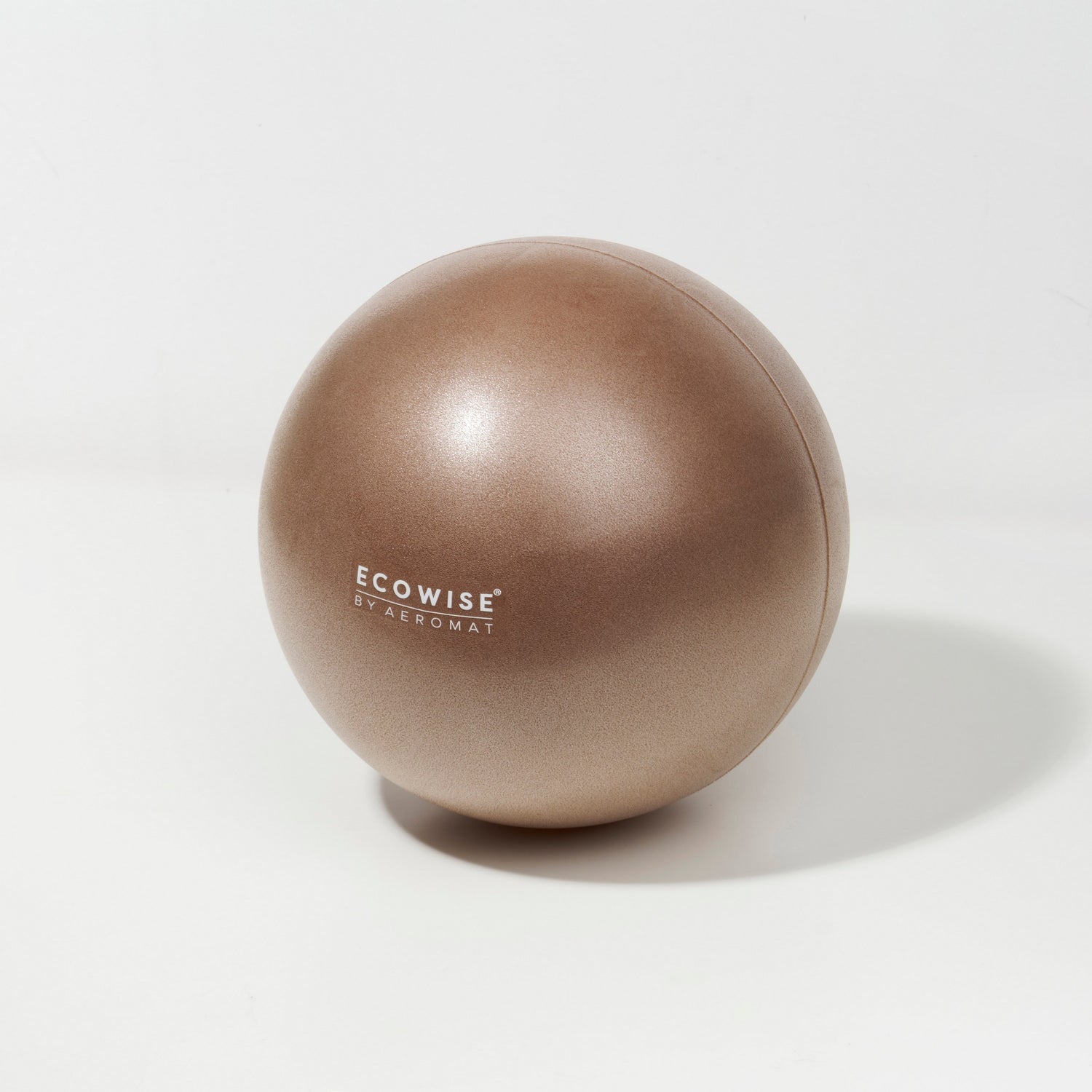


Foam roller exercises and air roller exercises are simple, beginner-friendly ways to support flexibility, ease muscle tightness, and make post-workout recovery feel more intentional. Whether you are new to stretching, starting a fitness routine, or looking for a low-impact recovery tool, an air roller or foam roller can help you apply gentle pressure to common tight areas like the calves, hamstrings, quads, glutes, and upper back.
The key is to start slowly. Rolling should feel like steady, manageable pressure, not sharp pain. With an adjustable air roller, beginners can often customize the firmness level for a gentler or deeper massage. With a traditional foam roller, the goal is to use body positioning and controlled movement to manage pressure.
Below are five easy air and foam roller exercises that can help beginners improve mobility, reduce everyday muscle tension, and support faster recovery after workouts.
Why Foam Roller Exercises and Air Roller Exercises Are Great for Beginners
Foam rolling and air rolling are popular because they are easy to learn and simple to add to a warm-up, cool-down, or recovery routine. Instead of forcing a stretch, these exercises use slow, controlled pressure to target muscles that often feel tight after sitting, walking, running, strength training, or sports.
Beginner benefits may include:
-
Improved flexibility and range of motion
-
Reduced post-workout muscle tightness
-
Better body awareness
-
Gentle support for recovery routines
-
A convenient way to target hard-to-stretch areas
For best results, move slowly, breathe deeply, and spend about 30 to 60 seconds on each muscle group. If an area feels especially tender, pause lightly on that spot for a few breaths instead of aggressively rolling over it.
1. Calf Roll: A Simple Foam Roller Exercise for Lower-Leg Tightness
The calf roll is one of the easiest foam roller exercises for beginners. It targets the muscles along the back of the lower leg, which can become tight from walking, running, jumping, or standing for long periods.

How to Do It
-
Sit on the floor with your legs extended in front of you.
-
Place the air roller or foam roller under one calf.
-
Keep your hands on the floor behind you for support.
-
Gently roll from just above the ankle to just below the knee.
-
Rotate your leg slightly inward and outward to target different parts of the calf.
-
Switch legs and repeat.
Beginner Tips
-
Keep your movements slow and controlled.
-
Keep your opposite foot on the floor if you need less pressure.
-
Avoid rolling directly behind the knee.
-
Use a softer setting on an adjustable air roller if your calves feel sensitive.
Why It Helps
This exercise can help loosen the lower legs, support ankle mobility, and ease tightness that builds up after cardio workouts or long days on your feet.
2. Hamstring Roll: A Beginner Air Roller Exercise for the Back of the Thighs
The hamstrings are located along the back of your thighs and can feel tight from sitting, running, cycling, or leg workouts. This is one of the best air roller exercises or foam roller exercises for people who want to improve flexibility in the back of the legs.

How to Do It
-
Sit on the floor and place the roller under the back of one thigh.
-
Keep your hands behind you and lift your hips slightly.
-
Slowly roll from the bottom of the glutes to just above the knee.
-
Pause on tight areas and breathe for a few seconds.
-
Switch legs and repeat.
Beginner Tips
-
Keep one foot on the floor to reduce pressure.
-
Do not roll directly behind the knee joint.
-
Try pointing and flexing your foot while paused on a tight spot.
-
Use gentle pressure first, then increase only if comfortable.
Why It Helps
Hamstring rolling can support better lower-body mobility and help reduce tightness that may affect squats, lunges, running stride, or everyday movement.
3. Quad Roll: One of the Best Foam Roller Exercises for Post-Workout Recovery
The quadriceps, or quads, are the large muscles on the front of the thighs. They often become tight after squats, lunges, stairs, cycling, or running. This beginner-friendly rolling exercise can help ease tension in the front of the legs.

How to Do It
-
Lie face down with the roller under the front of one thigh.
-
Support your upper body with your forearms.
-
Keep your core lightly engaged.
-
Roll from the top of the thigh to just above the knee.
-
Move slowly and avoid putting pressure directly on the kneecap.
-
Switch sides and repeat.
Beginner Tips
-
Start with one leg at a time for better control.
-
Keep your movements small if the area feels sensitive.
-
Bend and straighten your knee slightly while paused on a tight spot.
-
Use an air roller at a lower pressure setting if you are new to quad rolling.
Why It Helps
The quad roll is useful after leg workouts because it targets a muscle group that often carries a lot of tension. Adding this movement to your cool-down may help your legs feel looser and more recovered.
4. Glute Roll: An Easy Air Roller Exercise for Hip and Lower-Body Comfort
The glutes help support the hips, pelvis, and lower body. Tight glutes can contribute to discomfort around the hips and lower back, especially for people who sit for long periods or perform lower-body training. This is one of the most helpful air roller exercises for beginners because you can easily control the pressure with your hands and feet.

How to Do It
-
Sit on top of the roller with your knees bent and feet flat on the floor.
-
Lean slightly toward one side so the roller sits under one glute.
-
Place your hands behind you for support.
-
Slowly roll back and forth over the glute muscle.
-
For a deeper stretch, cross one ankle over the opposite thigh.
-
Switch sides and repeat.
Beginner Tips
-
Keep the pressure light at first.
-
Move in small, controlled motions.
-
Avoid rolling directly over the tailbone.
-
Keep your chest lifted so you can control your body weight.
Why It Helps
Glute rolling can help reduce hip tightness, support lower-body flexibility, and provide relief after walking, hiking, strength training, or long periods of sitting.
5. Upper Back Roll: A Gentle Foam Roller Exercise for Posture and Recovery
The upper back is a common area for stiffness, especially for people who work at a desk, drive often, or spend time looking down at screens. This foam roller exercise can help open the chest, ease upper-back tension, and support better posture awareness.

How to Do It
-
Lie on your back with the roller placed horizontally under your upper back.
-
Bend your knees and keep your feet flat on the floor.
-
Support your head gently with your hands.
-
Lift your hips slightly and roll from the upper back to the mid-back.
-
Pause on tight areas and take slow breaths.
-
Keep the roller away from the lower back and neck.
Beginner Tips
-
Keep your neck relaxed.
-
Do not roll directly on the spine with excessive pressure.
-
Move slowly over a small range.
-
Keep your core lightly engaged for control.
Why It Helps
Upper back rolling is a great addition to a recovery routine because it targets tension that can build from poor posture, upper-body workouts, and daily stress.
How Often Should Beginners Do Foam Roller Exercises and Air Roller Exercises?
Beginners can start with foam roller exercises or air roller exercises two to four times per week. You can use them before workouts to help prepare your muscles or after workouts to support recovery.
A simple beginner routine may look like this:
-
Calves: 30 seconds per side
-
Hamstrings: 30 seconds per side
-
Quads: 30 seconds per side
-
Glutes: 30 seconds per side
-
Upper back: 30 to 60 seconds total
As your body gets used to rolling, you can increase the time slightly. However, more pressure is not always better. Consistency, control, and proper positioning matter more than intensity.
Beginner Safety Tips for Air and Foam Roller Exercises
To get the most from your recovery routine, use your roller with care. These tips can help beginners stay comfortable and avoid overdoing it:
-
Roll slowly instead of rushing.
-
Avoid sharp, shooting, or intense pain.
-
Do not roll directly over joints, bones, or injuries.
-
Use lighter pressure on tender areas.
-
Breathe deeply to help your body relax.
-
Stop if something feels uncomfortable or unsafe.
If you have an injury, chronic pain, circulation concerns, or a medical condition, check with a qualified healthcare professional before starting a new rolling routine.
Choose Aeromat/EcoWise for Quality Air and Foam Rollers
At Aeromat/EcoWise, we create fitness, wellness, and recovery products designed to support real movement, practical routines, and long-lasting performance. Whether you are building a home recovery setup, upgrading your studio equipment, or looking for a beginner-friendly tool to help with muscle tightness, our air and foam rollers are excellent additions to your routine.
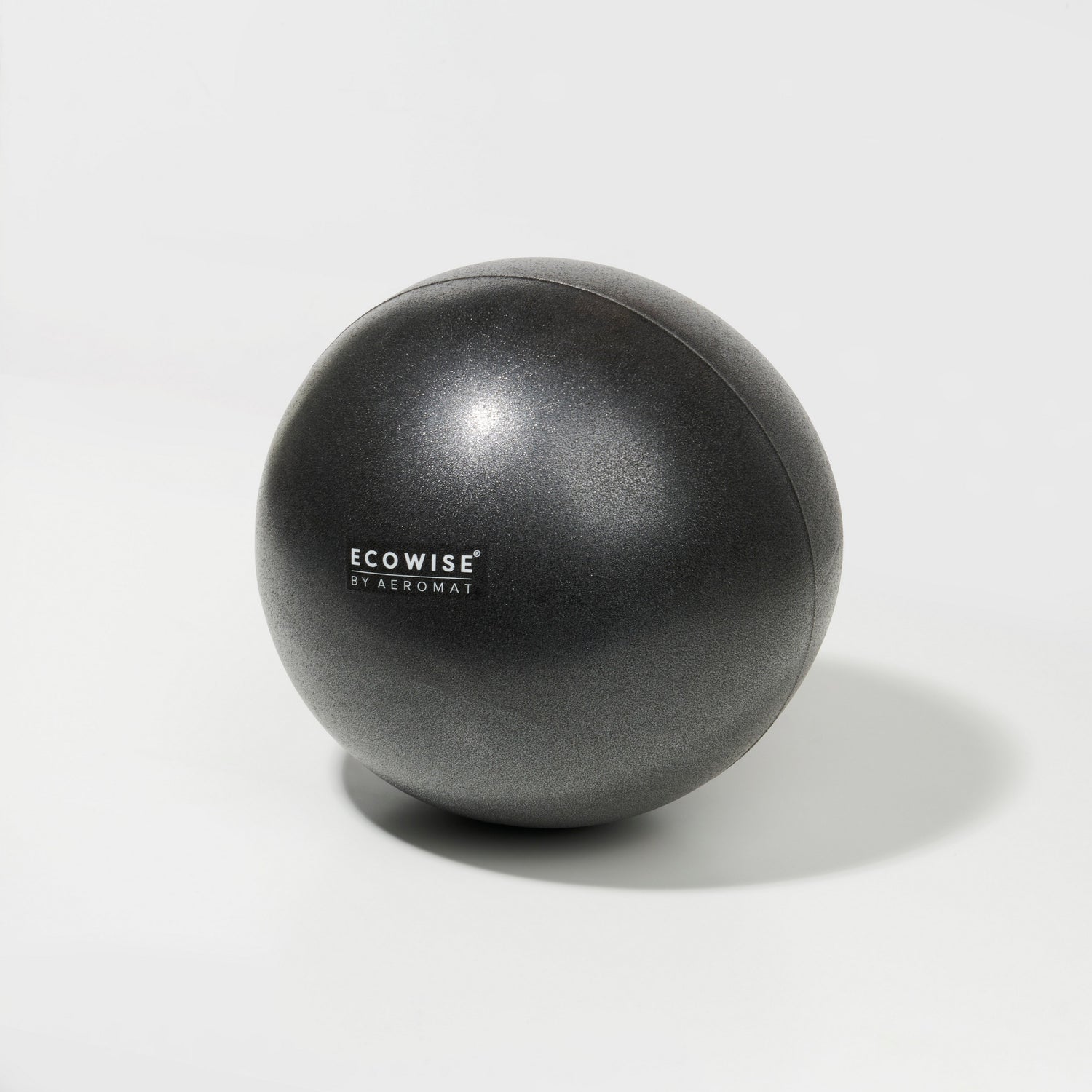
Our Adjustable Rubber Air Roller is a smart choice for anyone who wants more control over massage intensity. Unlike a traditional fixed-density roller, this adjustable air roller allows you to change the firmness by adjusting the air pressure. That makes it especially useful for beginners who want gentle pressure at first and more intensity as their recovery needs evolve.
Our Aeromat Elite Foam Roller is a dependable traditional option for stretching, Pilates, training, and muscle relief. Its durable foam construction helps it maintain structure through repeated use, while its textured surface supports a comfortable rolling experience.
Aeromat/EcoWise rollers are great for:
-
Post-workout recovery
-
Stretching routines
-
Flexibility training
-
Muscle relief
-
Home gyms, studios, and fitness facilities
-
Beginner and experienced users
Whether you prefer the customizable feel of an air roller or the familiar support of a traditional foam roller, Aeromat/EcoWise has recovery tools designed to help you move, stretch, and recover with confidence.

Explore Air and Foam Rollers at Aeromat/EcoWise to Support Better Recovery
Foam roller exercises and air roller exercises are simple, effective ways for beginners to improve flexibility, ease tight muscles, and support faster recovery. By starting with basic movements like calf rolls, hamstring rolls, quad rolls, glute rolls, and upper back rolls, you can build a recovery routine that fits easily into your day.
Ready to upgrade your stretching and recovery routine? Explore the Aeromat/EcoWise collection of recovery tools and foam rollers, and buy an Aeromat adjustable rubber air roller or Aeromat foam roller to support better flexibility, muscle relief, and everyday recovery.
FAQs
What are the best foam roller exercises for beginners?
The best foam roller exercises for beginners include calf rolls, hamstring rolls, quad rolls, glute rolls, and upper back rolls. These movements target common areas of tightness while helping beginners improve flexibility, mobility, and post-workout recovery.
Are foam roller exercises good for muscle recovery?
Yes, foam roller exercises can be a helpful part of a muscle recovery routine because they support circulation, ease tightness, and help muscles feel looser after activity. They are especially useful after workouts, long periods of sitting, or physically demanding days.
Can I use an air roller instead of a foam roller?
Yes, an air roller can be used instead of a traditional foam roller for many beginner rolling exercises. Adjustable air rollers are especially helpful because they allow users to increase or decrease firmness based on comfort, sensitivity, and recovery goals.
What is the difference between an air roller and a foam roller?
A foam roller typically has a fixed density, while an air roller can often be adjusted by changing the air pressure. This makes air roller exercises more customizable, while traditional foam roller exercises provide a reliable, consistent rolling surface. You can explore the differences more in depth in our blog here.